
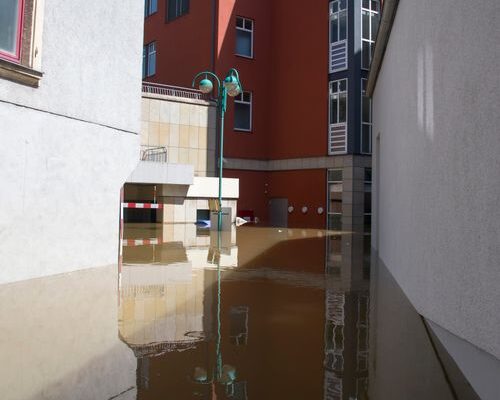
Summer Storm Water Intrusion: Protecting Your Building Envelope
Summer in most of the United States brings not just heat and humidity, but intense convective storms — heavy, fast-moving rain events that can deposit several inches of water in a matter of hours. For buildings whose envelopes have minor deficiencies, these storms are not merely inconvenient; they are the triggering event for water intrusion damage that can cost tens or hundreds of thousands of dollars to remediate — a risk the FEMA flood risk assessment framework addresses for properties in high-precipitation regions. Understanding where and how summer storm water intrusion occurs is the first step toward protecting your investment and building occupants.
How Summer Storms Differ From Seasonal Rain
Summer convective storms, as documented by NOAA, are distinguished by high intensity and short duration. Unlike frontal rain systems that deposit water gradually over a wide area, summer storms can produce rainfall rates of one to three inches per hour in localized areas. These rates exceed the drainage capacity of many roof drainage systems, gutters, and site grading designs — creating ponding on roof surfaces, overflowing gutters, and sheet flow against foundation walls that were never intended to manage that volume of water.
Wind-driven rain adds another dimension. Summer thunderstorms frequently produce sustained winds of 30–50 mph with gusts exceeding 60 mph. At these velocities, rain penetrates building envelope assemblies that would remain watertight under vertical rainfall alone. Window and door perimeter sealants, EIFS and stucco cladding systems, and wall flashing details that perform adequately under normal conditions can allow significant water infiltration under wind-driven conditions.
Common Entry Points for Storm Water Intrusion
Roof penetrations — HVAC equipment curbs, pipe flashings, skylight perimeters, and drain assemblies — are among the highest-risk locations for storm water entry. Flashing details around these penetrations require periodic maintenance and are subject to degradation from UV exposure, thermal cycling, and physical disturbance during equipment servicing. A flashing that passed through last year’s storm season without incident may fail this season if it has reached the end of its effective service life.
Parapet walls on low-slope commercial roofs present a chronic vulnerability. Water that cannot drain quickly enough through roof drains during high-intensity rain events ponds against parapet walls and can overtop them or find paths through coping joints, through-wall flashings, and parapet cap intersections. Buildings without overflow drainage (secondary drains or scuppers) are at particularly high risk of structural overloading and water intrusion during extreme events.
At-grade and below-grade building components are equally vulnerable. Window wells, below-grade doorways, and basement wall penetrations can channel storm water directly into the building interior when site drainage is overwhelmed. Expansion joints in concrete slabs and foundation walls are common entry points that often go undetected until significant interior water damage has occurred.
Documenting Storm Water Intrusion for Insurance Purposes
When storm water intrusion occurs, documentation is critical. Property owners should photograph all affected areas before any cleanup or drying work begins, retain moisture readings from affected materials, preserve damaged contents, and document weather conditions at the time of the event using National Weather Service or private weather station data. This documentation is essential for insurance claims and for any subsequent dispute about whether the damage was caused by the storm event or by pre-existing conditions.
A qualified forensic engineer can provide cause-and-origin analysis that establishes the relationship between the storm event and the observed water intrusion — documenting whether entry occurred through a defective building component, through a previously adequate component stressed beyond its design capacity by an extreme event, or through a combination of both. This distinction can significantly affect insurance coverage outcomes.
Pre-Storm Season Inspections
The most cost-effective time to identify building envelope vulnerabilities is before storm season peaks. A professional building envelope inspection in spring or early summer can identify deteriorated sealants, compromised flashings, blocked drains, and site drainage deficiencies while repair costs remain manageable. EES Group provides building envelope assessments for property owners, facility managers, and insurance carriers — combining engineering analysis with thermal imaging and moisture detection to identify both visible and concealed vulnerabilities before they become claims.