A fire that has been extinguished is only the beginning of the evaluation process for a damaged structure. Before repairs, reconstruction, or demolition decisions can be made, a fire damage structural assessment must determine which building components retain their load-bearing capacity, which have been compromised, and which present an ongoing safety hazard. This determination requires far more than a visual walkthrough — it requires an engineering evaluation grounded in how different structural materials actually respond to sustained heat exposure.
How Fire Affects Different Structural Materials
Every structural material responds to fire differently, and a defensible assessment depends on understanding those differences. Wood chars from the exposed surface inward at a relatively predictable rate, leaving an insulating char layer that protects the unburned core — meaning a wood member can often retain significant strength even after visible charring, provided enough uncharred cross-section remains. Steel, by contrast, does not char or visibly signal distress before losing strength; structural steel begins to lose significant load-carrying capacity at temperatures well below what many people assume, and can soften and deform without the obvious visual cues that concrete or masonry provide. Concrete and masonry can spall — losing surface material explosively as trapped moisture converts to steam — exposing reinforcing steel to direct heat and reducing the effective cross-section of the member. Each of these failure mechanisms requires a different inspection and testing approach, consistent with fire investigation guidance such as the NFPA 921 Guide for Fire and Explosion Investigations.
Char Depth Analysis
For wood-framed structures, char depth analysis is one of the primary tools used to estimate the original size of a structural member and the duration and intensity of heat exposure it experienced. By measuring the depth of charring and comparing it to the estimated original dimensions of the framing member, an investigator can calculate the remaining, uncharred cross-section and assess whether that residual section retains sufficient capacity to carry its design loads. Char depth patterns also provide valuable cause-and-origin information, since char depth is generally greatest closest to the fire’s origin and decreases with distance, helping investigators correlate structural damage with the broader fire investigation.
Evaluating Steel, Concrete, and Masonry After Fire Exposure
Steel members require a different evaluation approach since fire-exposed steel may show no obvious external sign of the strength loss it has sustained. Investigators look for indicators such as distortion, deflection, connection damage, and discoloration patterns that can help estimate peak temperatures reached, and in some cases recommend material testing to evaluate residual strength directly. Any steel member that has visibly deformed under load during a fire should be considered compromised and evaluated for replacement rather than reuse, since the deformation itself indicates that the material exceeded its yield point at elevated temperature.
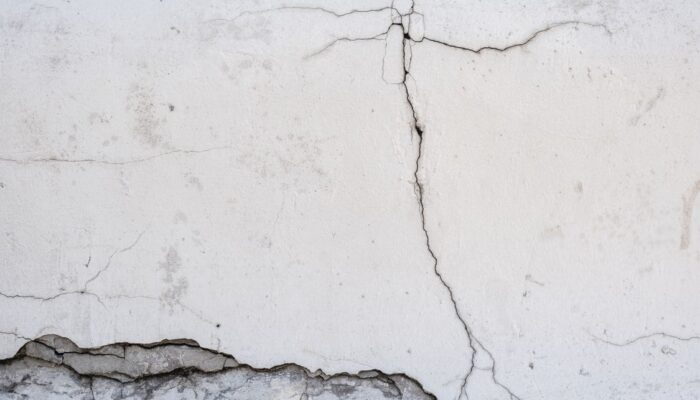
Concrete and masonry assessments focus on identifying spalling, cracking, and discoloration, which can serve as a rough indicator of temperature exposure, alongside sounding the surface to detect delamination and inspecting exposed reinforcing steel for heat damage. Where reinforcing steel has been exposed by spalling, both the concrete section loss and the potential strength reduction of the exposed steel must be factored into the capacity evaluation. In masonry structures, mortar joints and the masonry units themselves must be evaluated independently, since they often respond differently to the same heat exposure.
Distinguishing Structural Damage From Cosmetic Smoke and Heat Damage
Not every fire-affected building component has lost structural capacity. Smoke staining, surface discoloration, and minor heat blistering of finishes are frequently cosmetic issues that do not indicate a loss of structural integrity, and treating them as such can lead to unnecessary demolition and expense. At the same time, some of the most serious structural damage — softened steel, thermally cracked concrete, or wood framing with insufficient remaining cross-section — is not always obvious without close inspection. A qualified fire damage structural assessment separates genuine structural deficiencies from surface-level cosmetic damage, ensuring that repair scope is based on actual engineering findings rather than the visual severity of smoke and soot.
Determining Repair Versus Replacement
Once the extent of material-level damage has been established, the assessment turns to a broader evaluation of the structural system as a whole. This includes verifying that remaining, undamaged members can adequately support loads that may have previously been shared with now-compromised components, evaluating whether localized repairs can restore a member to its original design capacity, and determining whether more extensive replacement is warranted for the safety and long-term performance of the structure. These findings directly inform repair scope, cost estimates, and, in many cases, the resolution of an insurance claim tied to the loss.
Why a Qualified Assessment Matters
Because fire damage assessments carry direct implications for occupant safety, repair costs, and insurance claim outcomes, they demand a rigorous, standards-based methodology rather than visual estimation alone. EES Group’s engineers bring both structural engineering expertise and extensive field investigation experience to fire-damaged properties, evaluating wood, steel, concrete, and masonry systems to determine true structural capacity and provide clear, defensible findings for property owners, insurers, and legal proceedings alike. Learn more about our forensic engineering services.