
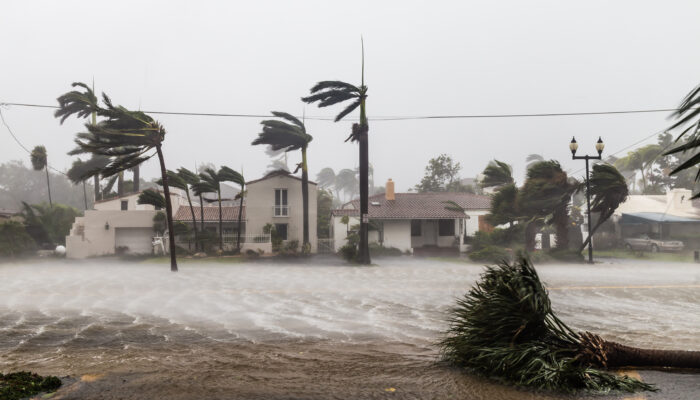
Mid-August marks the ramp toward the peak of the Atlantic hurricane season. For property owners along the Florida coast, it is also the last practical window for pre-storm documentation. When a named storm makes landfall, the question is rarely whether damage occurred. Instead, the question is which damage the storm caused and which conditions already existed. A credible record of the building’s condition before the storm makes that separation far easier.
Why Pre-Storm Documentation Determines Claim Outcomes
Insurers and policyholders often contest windstorm and flood claims over causation rather than the existence of damage. For example, an insurer may attribute roof leaks to long-term deterioration or cracked stucco to old settlement. Meanwhile, the policyholder may believe the opposite. Without evidence of how the building looked before the storm, both sides rely on inference. As a result, forensic engineers must reconstruct a “before” state from indirect clues such as corrosion patterns and the age of prior repairs.
Pre-storm documentation replaces inference with record. Dated photographs, inspection notes, and measurements allow an engineer to compare directly against post-storm observations. Consequently, the engineer can isolate and quantify new damage with far greater confidence. This helps owners with legitimate claims. Just as importantly, it also exposes the synthetic and exaggerated damage patterns that surface after every major storm.
What a Pre-Storm Building Record Should Include
A useful baseline is systematic rather than casual. The roof comes first. Photograph every slope, ridge, valley, and penetration, including flashing at chimneys, vents, and HVAC curbs. In addition, capture close-up images of representative shingle, tile, or membrane condition. On low-slope commercial roofs, record the seams, drains, scuppers, and rooftop equipment supports. Above all, deliberately document existing lifted edges, exposed fasteners, ponding areas, and prior patch repairs. These are precisely the conditions that become contested later.
The building envelope follows. Photograph stucco, siding, and masonry elevation by elevation. Pay attention to existing cracks, sealant joints at windows and doors, and any staining from past water intrusion. Similarly, document windows, doors, shutters, and garage doors in the closed position, including hardware and weatherstripping. Finally, photograph interior ceilings and walls beneath roof areas for pre-existing stains. Interior water damage is one of the most common post-storm claim components, so this step matters.
Site conditions round out the record. These include grading and drainage paths, fence lines, pool enclosures, detached structures, and mature trees near the building. For commercial and multi-family properties, also walk through rooftop units and exterior electrical gear. That way, a reference point exists if a later claim lists those systems as storm losses.
Documentation Practices That Hold Up Under Scrutiny
The value of pre-storm documentation depends on how you create it. Photographs should keep their original metadata, including capture date and GPS coordinates where available. Likewise, store them in unaltered form rather than only in compressed message threads. Each image should clearly show its location on the building. A logical naming sequence, a simple sketch, or wide-angle context shots all work well. When measuring crack widths or seam separations, include a scale reference in the frame.
For higher-value or previously damaged properties, a formal pre-storm condition assessment by a licensed engineer carries additional weight. The engineer’s report documents observed conditions with professional interpretation and notes areas of concern. Moreover, it establishes a signed and dated record that all parties can rely on after an event. This is especially valuable where a property has a recent prior claim, an aging roof, or recent repairs that may later draw questions about their quality.
How Engineers Use Pre-Storm Documentation After a Storm
After an event, a forensic engineer compares post-storm observations against the baseline. This comparison separates wind-created openings from pre-existing deficiencies. It also shows whether water intrusion followed a storm-created path or an established one. In addition, the engineer checks whether the reported damage matches the documented wind speeds and direction at the site, using sources such as the National Hurricane Center. Roof damage on slopes facing away from the storm wind, or tool marks absent from earlier photographs, stand out immediately when a baseline exists.
The same record supports policyholders when damage is real. Evidence that a roof was intact and interior finishes showed no stains before the storm removes the most common grounds for denial. Therefore, the parties can establish the repair scope on an engineering basis rather than through negotiation over unknowns.
Establishing Your Record Before the Season Peaks
Timing is everything. Pre-storm documentation must happen before forecasters name a storm, not in the days before landfall when access and weather work against it. EES Group’s engineers perform pre-storm condition assessments for residential, commercial, and multi-family properties. Each assessment produces a dated record of roof, envelope, interior, and site conditions. Because the same engineers conduct post-storm wind damage investigations, they create every baseline knowing exactly how it will serve later. Contact EES Group to schedule an assessment before the season peaks.