
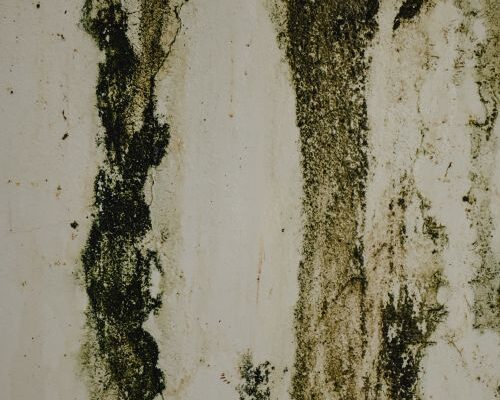
How Rising Spring Humidity Creates Conditions for Mold Growth
As temperatures climb and spring rains arrive, relative humidity levels inside and outside buildings rise sharply. For property owners and facility managers, this seasonal shift represents one of the most important — and most overlooked — risk factors for mold amplification. The link between spring humidity and mold growth is direct: elevated moisture levels fuel the germination and spread of mold spores in building materials. Understanding the relationship between humidity and mold can mean the difference between a clean building and a costly remediation project.
The Science Behind Humidity and Mold
According to EPA guidance on mold, mold spores are present in virtually every indoor and outdoor environment. They are not, on their own, a problem. The problem begins when spores encounter the right conditions to germinate and grow. The three primary drivers of mold amplification are moisture, a food source (organic building materials such as drywall, wood, and insulation), and temperatures between roughly 40°F and 100°F. Of these three factors, moisture is the one property owners can most directly control.
Indoor relative humidity above 60% provides sufficient moisture for many mold species to thrive on building surfaces, even without visible water intrusion. During spring, outdoor humidity spikes combine with cooler indoor surfaces — walls, windows, and concrete slabs that haven’t fully warmed after winter — to create condensation. That condensation, even if it evaporates quickly, repeatedly wets porous materials over days and weeks, creating the sustained moisture conditions mold requires.
Where Spring Humidity Causes the Most Damage
Certain areas of a building are especially vulnerable during high-humidity seasons. Crawl spaces are among the highest-risk zones: they receive ground moisture vapor from below, outside humid air through foundation vents, and often have little to no airflow. Without intervention, crawl space humidity can reach 80–90% during spring months, saturating wooden floor joists, subfloor sheathing, and insulation.
Basements present similar challenges. Uninsulated concrete walls allow cold surfaces to contact warm, humid air, producing condensation on wall faces and behind stored items. Attics are another concern — inadequate ventilation traps humid air against roof decking, accelerating mold growth on wood framing even when there is no active roof leak.
Humidity Thresholds to Monitor
The American Society of Heating, Refrigerating and Air-Conditioning Engineers (ASHRAE) recommends maintaining indoor relative humidity between 30% and 60%. Once humidity consistently exceeds 70%, the risk of surface mold on building materials increases substantially. Property managers should consider deploying humidity data loggers in high-risk areas — crawl spaces, basements, mechanical rooms, and storage areas — to track conditions throughout the spring and summer seasons.
Preventive Measures
Controlling spring humidity requires a layered approach. Mechanical dehumidification in crawl spaces and basements is the most reliable method, particularly when paired with vapor barriers on exposed earth floors. HVAC systems should be inspected and serviced before the cooling season begins so they are removing latent humidity effectively. Building envelopes — windows, door seals, foundation penetrations — should be checked for air leaks that allow humid outside air to infiltrate conditioned spaces.
When mold is suspected or discovered, a qualified industrial hygienist or certified mold investigator should assess the extent of growth and identify the underlying moisture source. Treating visible mold without correcting the humidity condition will result in recurring growth. A thorough cause-and-origin investigation not only documents what happened but provides the roadmap for a durable fix.
Working With a Qualified Expert
EES Group’s team of engineers and industrial hygienists has extensive experience evaluating moisture and mold conditions in both residential and commercial properties. Whether you need a proactive moisture survey ahead of the summer season or a forensic investigation following water intrusion or storm damage, our professionals can assess building conditions, identify sources of elevated humidity, and provide defensible findings that support insurance claims, litigation, or remediation planning.
Spring is the time to act. By the time visible mold appears on surfaces, the moisture problem has typically been ongoing for weeks. Early humidity monitoring and proactive building envelope maintenance are always less expensive than post-damage remediation.