lightning damage to buildings

Lightning Damage to Buildings: Causes, Common Failures, and Forensic Evaluation

Lightning Damage to Buildings: Causes, Common Failures, and Forensic Evaluation

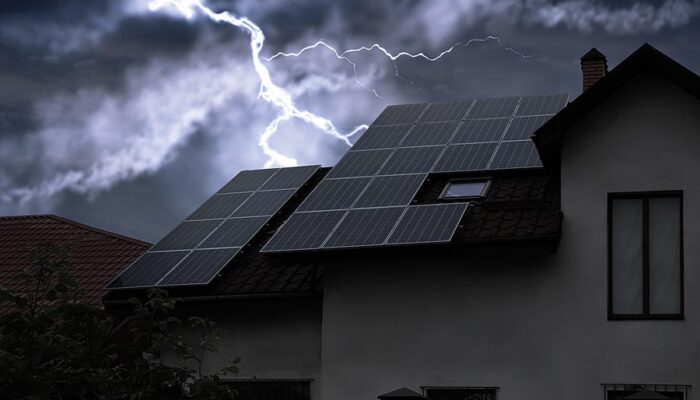
Property damage resulting from lightning strikes is estimated to total between four and five billion dollars annually. Due to the sudden and extreme nature of lightning events, claims involving lightning damage often require forensic engineering and detailed assessment to accurately determine the extent of damage to a structure and its individual components.

Lightning-related damage claims are most frequently encountered in the insurance industry, particularly involving mechanical and electrical systems. Based on field experience, the majority of reported lightning damage claims stem from failures of heating, ventilation, and air conditioning (HVAC) outdoor units and well pump motors. These systems are highly vulnerable because they are often exposed, grounded, and connected to electrical circuits that can transmit high-voltage surges.

In addition to HVAC units and well pumps, other commonly affected components include brick masonry chimneys, commercial and industrial motors, and sensitive electrical equipment. Lightning does not need to directly strike a component to cause damage. Nearby strikes can induce powerful voltage surges that travel through electrical lines, grounding systems, and metallic pathways within a building.

Electrical equipment damage from lightning is typically caused by extremely high voltages that occur in fractions of a second. These surges often happen quickly enough to bypass or overwhelm installed surge protection devices. As a result, internal electrical components may fail even when surge protection is present. In outdoor air conditioning units, damaged contactors and run capacitors are common indicators of lightning-related failure. Blackened, pitted, or melted electrical components are often consistent with high-energy electrical events.

Lightning strikes can also cause significant damage to building materials, particularly brick masonry. When lightning energy passes through brick chimneys or masonry walls, the moisture trapped within the brick can rapidly vaporize. This sudden expansion creates internal pressure that can fracture or shatter the masonry, producing damage that appears explosive in nature.

Determining whether damage is attributable to lightning requires careful forensic evaluation. Inspectors analyze damage patterns, component failure modes, burn marks, and the presence of electrical arcing. Weather data, lightning strike records, and site conditions are also reviewed to correlate reported losses with documented lightning activity in the area.

Accurate identification of lightning-related damage is critical for proper claim resolution. Without a detailed assessment, lightning damage may be misattributed to wear and tear, mechanical failure, or manufacturing defects. Forensic engineering helps establish causation, define the scope of damage, and support fair outcomes for all parties involved.

Lightning events are unpredictable and unavoidable, but their effects on buildings and equipment can be better understood through professional evaluation. Proper documentation and expert analysis ensure that damage is accurately identified and addressed, helping reduce disputes and unnecessary replacement costs.
water cause and origin

Water Cause and Origin (C&O): Understanding How and Where Water Damage Begins

Water Cause and Origin (C&O): Understanding How and Where Water Damage Begins

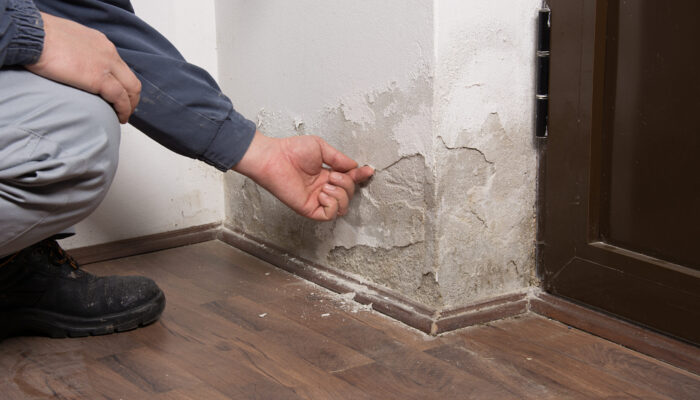
Water damage is often expensive to repair and difficult to detect in its early stages. When water infiltration is allowed to persist — whether knowingly or unnoticed — excessive moisture can accumulate within building assemblies. Over time, this moisture can lead to mold growth, material deterioration, and compromised structural integrity, ultimately resulting in partial or complete building failure. For this reason, determining the cause and origin of water intrusion is a critical step in mitigating damage and preventing recurrence.

The exterior building envelope plays a primary role in controlling water intrusion. This envelope includes roof systems, exterior walls, and all associated components that separate the interior environment from the elements. Proper water control and management detailing within these systems is essential to prevent water from entering, becoming trapped, or accumulating within concealed spaces.

Effective water management begins with proper design, construction, and ongoing maintenance of building envelope assemblies. This process requires careful consideration of how water interacts with building materials and components, as well as a coordinated plan to ensure long-term durability of framing systems. When water management details are overlooked or improperly executed, even well-constructed buildings become vulnerable to hidden damage.

Field experience shows that, in most cases, water infiltration does not occur through intact roofing materials unless they are severely damaged or significantly degraded. Instead, water entry is most commonly associated with interfaces and transition points. These include wall-to-roof intersections, penetrations, roof edges, and changes in material systems. At these locations, the proper integration of roofing materials with underlayments, flashings, and — in some cases — sealants is critical. When correctly installed, these components work together to divert water into designated drainage pathways and safely away from the building.

Exterior wall systems present similar challenges. Walls must be designed, constructed, and maintained to prevent unwanted water intrusion and prolonged moisture exposure. Key to this performance is the correct integration of exterior cladding systems with weather-resistive barriers, flashings, and sealants. These elements are intended to collect and redirect water downward and outward, preventing it from reaching wall framing where it can cause serious deterioration.

Water intrusion through exterior walls differs from roof-related leaks due to the vertical orientation of wall assemblies and the effects of gravity. Roof leaks typically become visible relatively quickly, as infiltrating water travels downward and presents itself as staining or discoloration on interior ceilings. Wall leaks, however, often go undetected for extended periods. As water enters a wall assembly, gravity pulls it toward the bottom of the wall cavity, where it may never appear on interior finished surfaces.

Because wall-related water intrusion can remain hidden, damage is often extensive by the time it is discovered. Based on experience, deficiencies in wall water management frequently require significant repairs. These repairs may involve shoring, removal of damaged materials, and replacement of compromised framing members to restore structural integrity.

Water cause and origin investigations focus on identifying not only where water damage is observed, but how and where the intrusion initially occurred. Accurate determination of cause and origin is essential for effective remediation, prevention of future damage, and proper resolution of insurance or liability claims. Understanding water behavior within building envelopes allows corrective measures to be targeted, reducing unnecessary repairs and long-term risk.

equipment failures

Equipment Failures: Causes, Consequences, and the Importance of Failure Analysis

Equipment Failures: Causes, Consequences, and the Importance of Failure Analysis

Unintended and unforeseen equipment failures can range from minor operational disruptions to serious incidents that pose risks to property, productivity, and human life. Equipment failure occurs when a component or system loses its intended functional performance, either partially or completely, resulting in operation outside of design expectations.

Equipment failures can arise from a variety of causes. Manufacturing defects may introduce hidden weaknesses that lead to premature failure. Improper design or construction can create stress concentrations, incompatible materials, or inadequate safety margins. Over time, age-related deterioration, environmental exposure, and normal wear can further degrade performance. In many cases, failures are also linked to insufficient maintenance or excessive or improper use beyond the equipment’s intended operating conditions.

When equipment fails, the consequences often extend far beyond the failed component itself. Physical damage to surrounding systems, production downtime, loss of revenue, and increased repair or replacement costs are common outcomes. In more severe cases, equipment failures can negatively impact health and safety, creating hazardous conditions for occupants or operators. These outcomes frequently trigger insurance claims, legal disputes, or warranty investigations.

At this stage, identifying responsibility becomes critical. Determining liability requires a clear understanding of what caused the failure and whether it resulted from design deficiencies, manufacturing errors, maintenance issues, misuse, or external influences. To support fair and defensible conclusions, the root cause of an equipment failure must be established within a reasonable degree of engineering certainty.

Effective equipment failure analysis goes beyond identifying what failed — it examines why it failed. In addition to determining the root cause, alternative contributing factors must be considered and ruled out. This comprehensive approach ensures that conclusions are accurate and not based on assumptions or incomplete information.

The failure analysis process typically begins with a detailed visual inspection of the equipment and the surrounding area where the failure occurred. This step allows site conditions, operating environment, and damage patterns to be evaluated. From there, further analytical procedures are conducted in a systematic manner. These may include dimensional measurements, material testing, diagnostic evaluations, and microscopic examination using specialized equipment such as high-powered microscopes.

Advanced diagnostic techniques may also be employed to analyze fracture surfaces, wear patterns, electrical components, or thermal damage. Each step in the analysis builds upon the previous findings, allowing investigators to reconstruct the sequence of events that led to the failure.

Equipment failures demand careful, methodical evaluation to ensure accurate conclusions. A thorough failure analysis provides clarity, supports informed decision-making, and helps resolve disputes related to responsibility and compensation. By understanding the causes and consequences of equipment failures, stakeholders can take steps to reduce future risks and improve system reliability.

piping and plumbing failures

Piping and Plumbing Failures: Causes, Risks, and Potential for Catastrophic Water Damage

Piping and Plumbing Failures: Causes, Risks, and Potential for Catastrophic Water Damage

One of the most damaging events that can occur within a building is the failure of an internal plumbing line. Unlike exterior water events, plumbing failures often happen without immediate detection, allowing significant volumes of water to discharge into concealed spaces and interior finishes. Even a single failed pipe can cause extensive damage in a short period of time.

The amount of water released during a plumbing failure can be substantial. A common domestic copper water tube with a diameter of 1/2 inch can discharge approximately 1 to 5 gallons per minute, depending on line pressure and flow conditions. A 3/4-inch diameter tube can release even more — ranging from 1 to 10 gallons per minute. Over the course of just one hour, this equates to approximately 60 to 300 gallons of water from a 1/2-inch line or 60 to 600 gallons from a 3/4-inch line.

When a plumbing failure occurs in elevated or concealed locations, such as within an attic, ceiling cavity, or plenum space above occupied areas, the resulting damage can be catastrophic. Water may spread across large portions of the building before becoming visible, saturating insulation, ceilings, walls, electrical systems, and structural components. By the time the issue is discovered, the extent of damage is often widespread.

Seasonal temperature conditions play a significant role in piping failures, particularly during cooler winter months. Failures in water distribution and collection systems are commonly caused by exposure to sub-freezing temperatures. When water inside pipes freezes, it expands, increasing internal pressure to the point where cracks or splits form in the tubing. Once temperatures rise and the ice thaws, these cracks lead to sudden and often severe water release. Conductive metal pipes are especially vulnerable and must be adequately insulated to reduce freeze-related risks.

Faulty workmanship and installation errors are another leading cause of plumbing line failures. Improper installation techniques can compromise the integrity of the piping system from the outset. Joint connections are particularly critical, as they are common points of failure if not executed correctly.

Typical domestic water supply systems utilize copper tubing or polyvinyl chloride (PVC) piping. Copper systems rely on properly soldered joints, which require skill, experience, and adherence to correct procedures. Inadequate soldering can result in weak joints that fail prematurely under normal operating pressures. Similarly, failures in PVC systems often occur at coupling connections. These failures may stem from incorrect or inferior plastic materials, poor coupling nut design, manufacturing defects, improper installation practices, or a combination of these factors.

Piping and plumbing failures rarely result from a single issue. In many cases, multiple contributing factors — such as material selection, environmental exposure, and workmanship — combine to lower the system’s tolerance and lead to failure. Understanding these risks highlights the importance of proper design, qualified installation, insulation, and routine inspection.

Early detection and proactive maintenance are essential to reducing the severity of plumbing-related water damage. Addressing vulnerabilities before failure occurs helps protect building systems, limit repair costs, and minimize disruption to occupants.

insurance appraisal umpire

The Role of an Umpire in the Insurance Appraisal Process

The Role of an Umpire in the Insurance Appraisal Process

The insurance appraisal process is designed to resolve disputes over the amount of loss between an insured party and an insurer. In most cases, this process works efficiently without the need for third-party intervention. Industry experience shows that approximately 90 percent of appraisal cases are resolved through agreement between the two appointed appraisers.

When an agreement cannot be reached during the on-site meeting or review process, the appraisal proceeds to the next and final step — the involvement of an umpire. The purpose of the umpire is to provide an impartial evaluation of the disputed loss and bring resolution when the appraisers are unable to agree.

An appraisal umpire must be a neutral and competent individual with relevant experience in property damage assessment, construction, or insurance-related matters. The umpire is selected by mutual agreement between the insured and the insurer. This requirement ensures fairness and reinforces confidence in the appraisal outcome.

In rare situations where the parties cannot agree on an umpire, the matter is referred to the court system. In these cases, a judge will appoint an umpire who meets the necessary qualifications and impartiality standards. While court involvement is uncommon, it provides a structured resolution path when negotiations reach an impasse.

Once an umpire is appointed, they review all documentation and findings submitted by both appraisers. This includes inspection reports, scope assessments, photographs, measurements, and any supporting analysis related to the loss. The umpire also relies on their professional expertise and background to evaluate the information objectively.

The umpire’s role is not to re-inspect the property in every case, but to weigh the evidence and determine a fair and reasonable amount of loss. After completing this evaluation, the umpire renders a decision. For the appraisal award to become binding, two of the three parties — either both appraisers or one appraiser and the umpire — must agree on the final amount.

The involvement of an umpire represents the final stage of the appraisal process. Once an award is finalized through the required agreement, the decision is considered final and enforceable. This structure allows appraisal disputes to be resolved efficiently without prolonged litigation, saving time and reducing costs for all parties involved.

Understanding the role of an umpire helps insured parties and insurers navigate appraisal disputes with greater clarity and confidence. When used appropriately, the appraisal process — including the umpire stage — provides a fair and effective mechanism for resolving disagreements over loss valuation.

roof covering inspections

Roof Coverings: Why Proper Installation and Quality Assurance Are Critical

Roof Coverings: Why Proper Installation and Quality Assurance Are Critical

One of the most important components of a building envelope is the roof covering. The roof covering serves as the primary barrier between a structure and the elements, protecting interior building components from moisture, wind, and environmental exposure. In addition to protection, roof coverings contribute to energy efficiency by working in conjunction with insulation systems to regulate interior temperatures and reduce energy costs.

Because of the critical role roof coverings play, professional oversight during installation and throughout the roof’s service life is essential. EES provides comprehensive roof consulting services for both residential and commercial buildings, supported by staff holding advanced industry credentials, including Registered Roof Observer (RRO), Registered Roof Consultant (RRC), and Professional Engineer licensure. These qualifications allow for detailed evaluations, quality assurance inspections, and forensic analysis of roof systems.

Field experience consistently shows that improper installation is one of the leading causes of premature roof failure. Installation errors can result from inadequate design specifications, incomplete construction details, or installers taking shortcuts during the application process. Even minor deviations from industry standards can significantly reduce a roof system’s performance and longevity.

When installation deficiencies occur, the resulting failures can be severe. Water intrusion, membrane separation, fastener failure, and insulation damage often lead to costly repairs or full roof replacement. In many cases, these failures result in losses totaling hundreds of thousands of dollars for property owners or insurance carriers — losses that are largely preventable.

Quality assurance inspections performed during the early phases of roof installation are one of the most effective ways to mitigate these risks. These inspections verify that materials, attachment methods, and workmanship comply with design documents, manufacturer requirements, and industry best practices. Identifying issues early allows corrections to be made before they are concealed within the roof assembly.

In addition to construction-phase inspections, ongoing roof evaluations play a key role in asset preservation. When included as part of an annual maintenance program, roof covering inspections can identify developing issues such as material deterioration, moisture intrusion, or drainage deficiencies. Addressing these conditions promptly helps extend the service life of the roof and reduces the likelihood of unexpected failures.

Roof coverings are long-term investments that protect both structures and occupants. Proper installation, combined with routine quality assurance and maintenance inspections, ensures that roof systems perform as intended, maximize energy efficiency, and deliver the expected service life.

wind damage to roof systems

Wind Damage to Roof Systems: How Excessive Winds Compromise Structural Integrity

Wind Damage to Roof Systems: How Excessive Winds Compromise Structural Integrity

Excessive winds have the potential to cause significant damage to roof systems and exterior building finishes. When high winds pass over and around a pitched roof, they create uplift pressures that can exceed the resistance capacity of roofing components. Once this threshold is surpassed, roofing materials become vulnerable to displacement, detachment, and progressive wind-related damage.

Wind uplift occurs as air pressure differences develop between the exterior surface of the roof and the interior or underside of the roofing assembly. As wind accelerates over the roof surface, negative pressure is created, effectively pulling upward on roofing components. If materials are not properly secured or have weakened over time, these uplift forces can lead to partial or complete roof failure.

The most severe uplift pressures are typically concentrated at specific roof locations. Windward corners, rakes, eaves, and ridges experience the highest levels of turbulence due to abrupt changes in airflow. These areas are consistently the first points where wind damage initiates, especially during high-wind events such as thunderstorms, tropical storms, or hurricanes.

Roofing materials that are aged, weathered, deteriorated, or improperly attached are especially susceptible to wind damage. Over time, exposure to ultraviolet radiation, moisture, temperature fluctuations, and normal wear reduces material strength and fastener performance. When combined with high wind forces, these weakened components are far more likely to fail.

Wind damage is also highly dependent on the type of roof system in place. Asphalt shingles, wood shakes or shingles, clay or concrete tile, and metal panel systems each respond differently to wind forces. Attachment methods, fastener spacing, underlayment design, and edge detailing all influence how well a roof performs under wind loading. As a result, damage patterns and failure mechanisms vary significantly between roof types.

Building codes at both the national and state levels require structures to withstand forces generated by minimum design wind speeds based on geographic location. These standards are intended to prevent roof and structural damage during expected wind events. However, field experience shows that when wind-related failures occur, the root cause is often inadequate construction or improper installation rather than wind speeds exceeding design limits.

Roof systems that are not installed in accordance with industry standards and accepted wind-resistance practices have a reduced threshold for failure. Improper nailing patterns, insufficient fasteners, poor edge securement, and noncompliant materials can all compromise wind performance. In such cases, damage may occur at wind speeds well below those required by building codes.

Understanding how wind interacts with roof systems highlights the importance of proper design, quality installation, and regular inspections. Addressing vulnerabilities before a major wind event occurs can significantly reduce the risk of damage, extend the life of the roof, and protect the overall integrity of the structure.

moisture surveys

Moisture Surveys: Identifying Hidden Water Issues Before They Cause Major Damage

Moisture Surveys: Identifying Hidden Water Issues Before They Cause Major Damage

Moisture surveys are a critical diagnostic tool for identifying hidden water intrusion in residential, commercial, and industrial buildings. While moisture problems are not always visible to the naked eye, they can quietly cause extensive damage over time. Conducting a professional moisture survey allows property owners to uncover issues early, protect structural integrity, and avoid expensive repairs.

A moisture survey is a systematic inspection designed to locate, measure, and document excess moisture within a building. Using specialized equipment such as moisture meters, infrared cameras, and hygrometers, inspectors can detect water trapped behind walls, beneath flooring, within roofing systems, or inside insulation. These tools reveal problems that traditional visual inspections often miss.

One of the most common reasons moisture surveys are conducted is to identify active or ongoing water intrusion. Roof leaks, plumbing failures, poor drainage, and building envelope breaches can allow moisture to enter a structure without obvious signs. Over time, trapped moisture can deteriorate wood framing, corrode metal components, weaken concrete, and compromise insulation performance.

Moisture surveys are also essential for preventing mold growth. Mold thrives in damp environments and can begin forming within 24 to 48 hours of moisture exposure. By pinpointing moisture sources early, surveys help stop conditions that allow mold to spread, protecting indoor air quality and occupant health.

In addition to water damage prevention, moisture surveys play a valuable role in real estate transactions and insurance claims. Buyers and investors rely on moisture surveys to assess hidden risks before purchasing a property, while insurance carriers often require documented moisture readings to validate water-related claims. Accurate survey reports provide clear evidence of damage origin, extent, and severity.

Certain environments are especially prone to moisture-related issues. Buildings in high-humidity regions, coastal areas, or locations with heavy rainfall face increased risk of condensation, wind-driven rain intrusion, and groundwater seepage. Older structures and properties with flat roofs, aging plumbing, or poor ventilation are also more susceptible.

Early warning signs that may warrant a moisture survey include musty odors, staining on ceilings or walls, bubbling paint, warped flooring, unexplained increases in humidity, or recurring mold issues. However, moisture problems often exist long before these symptoms appear, which is why proactive surveys are recommended even when visible damage is minimal.

Addressing moisture issues promptly can significantly reduce long-term repair costs. Left unchecked, excess moisture can lead to structural deterioration, electrical hazards, reduced energy efficiency, and costly remediation projects. Moisture surveys provide actionable data that guides targeted repairs rather than guesswork.

Moisture surveys are not just reactive tools — they are preventative measures. Regular inspections help property owners maintain building performance, protect asset value, and ensure a safer indoor environment. Identifying moisture early is always less disruptive and far more affordable than repairing widespread damage later.

structural failures

Structural Failures: Causes, Warning Signs, and Why Early Action Matters

Structural Failures: Causes, Warning Signs, and Why Early Action Matters

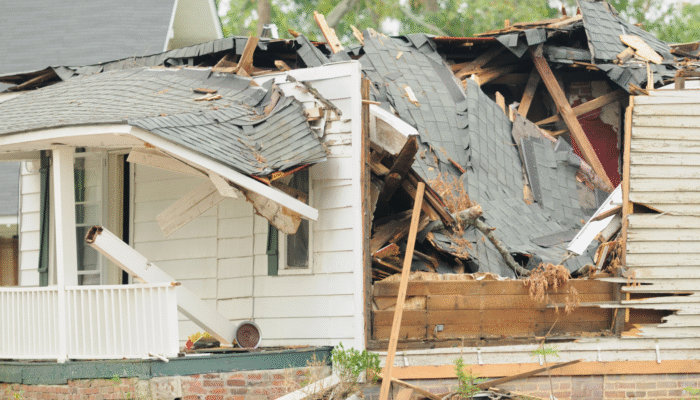
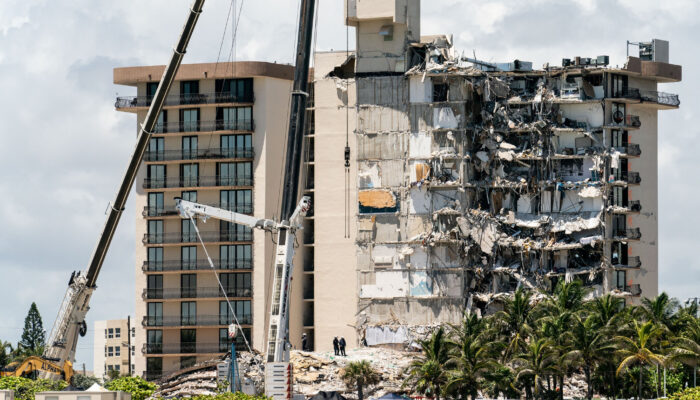
Structural failures are among the most serious issues a property owner can face. Whether affecting residential homes, commercial buildings, or industrial structures, these failures compromise safety, reduce property value, and often lead to expensive repairs if not addressed early. Understanding what causes structural failures, how to recognize the warning signs, and why proactive action matters can make the difference between a manageable repair and a catastrophic loss.

At their core, structural failures occur when a building’s load-bearing components — foundations, beams, columns, walls, or roofs — can no longer safely support the forces acting upon them. These forces include the building’s own weight, occupants, furnishings, weather, soil movement, and environmental stressors. When any part of this system weakens or fails, the integrity of the entire structure can be at risk.

One of the most common causes of structural failures is foundation movement. Soil settlement, erosion, poor compaction, or expansive clay can cause foundations to shift, crack, or sink. Over time, this movement transfers stress to walls, floors, and roof systems, leading to visible damage and hidden structural strain. In coastal and high-moisture regions, water intrusion and poor drainage often accelerate these issues.

Material degradation is another major contributor. Wood rot from moisture exposure, corrosion of steel components, and concrete deterioration can silently weaken critical structural elements. Buildings exposed to humidity, salt air, or frequent temperature changes are especially vulnerable if materials are not properly protected or maintained.

Design flaws and construction errors also play a significant role in structural failures. Inadequate load calculations, improper installation, substandard materials, or shortcuts taken during construction may not show immediate consequences — but over time, these weaknesses surface. As buildings age, even minor original defects can evolve into serious structural problems.

Recognizing early warning signs is crucial. Cracks in walls or ceilings — especially those that are wide, diagonal, or growing — often indicate movement or stress. Uneven or sloping floors, sticking doors and windows, bowing walls, and sagging roofs are additional red flags. In some cases, unusual noises such as popping or creaking can signal shifting structural components.

Ignoring these symptoms can lead to rapid escalation. What begins as a small crack or minor misalignment can progress into major structural failure, requiring extensive reconstruction or rendering a building unsafe for occupancy. Early inspections and professional evaluations allow issues to be identified while repair options are still cost-effective.

Addressing structural failures promptly protects more than just the building — it safeguards occupants, preserves property value, and reduces long-term liability. Whether through foundation stabilization, structural reinforcement, drainage improvements, or material replacement, timely repairs help restore integrity and prevent further damage.

Structural failures rarely happen overnight. They develop over time, often giving clear signals before reaching a critical point. Property owners who stay proactive, monitor changes, and act quickly when issues arise are far more likely to avoid severe damage and costly downtime.

critical member analysis

What Is Critical Member Analysis and Why Does It Matter?

Critical Member Analysis is a vital part of structural engineering that focuses on evaluating the strength, integrity, and performance of essential structural elements within a building or system. These “critical members” are the components—such as beams, columns, trusses, or load-bearing walls—that are crucial to the overall stability and safety of a structure. Failure in any of these elements can compromise the entire system, making thorough analysis not just important, but necessary.

At EES Group, our Critical Member Analysis process is designed to identify potential weak points and ensure that key structural components meet both design standards and real-world demands. Whether you’re dealing with new construction, structural retrofits, or insurance evaluations after a natural disaster, our team uses advanced engineering tools, modeling software, and field data to assess the true condition of each member under various loading scenarios.

The goal of Critical Member Analysis is to prevent failure before it happens. This includes analyzing how a member performs under stress, impact, temperature changes, or aging. By modeling loads and forces, engineers can determine if a beam is under-designed, if corrosion has reduced the load capacity of a steel column, or if settlement is putting uneven strain on a foundational wall. These insights allow for proactive solutions—like reinforcement, material replacement, or design changes—before costly or dangerous problems arise.

This type of analysis is especially important in mission-critical environments such as hospitals, schools, government buildings, or aging infrastructure where failure is not an option. Property managers, architects, and developers rely on Critical Member Analysis to make informed decisions during renovations, inspections, or project planning. It’s also a key requirement for meeting local code compliance and insurance assessments.

At EES Group, our engineering team brings decades of expertise to every project. We take pride in delivering reliable, data-driven insights through Critical Member Analysis that help safeguard your investment and ensure long-term structural performance. Whether you’re managing a high-rise, commercial plaza, or municipal facility, our solutions are engineered to support the critical members holding your project together.