
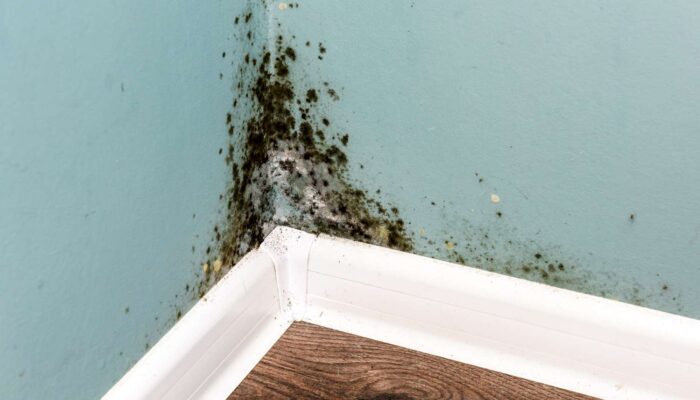
Mold Cause and Origin (C&O): Identifying Moisture Sources That Drive Mold Amplification
Molds, mushrooms, mildews, and yeasts are all classified as fungi — a kingdom of organisms distinct from plants and animals. Mold and bacteria are essentially ubiquitous, meaning they are present nearly everywhere in both indoor and outdoor environments. Mold growth occurs geometrically rather than arithmetically, which is why the term amplification is used to describe the rapid expansion of mold colonies once conditions become favorable and visible growth develops on building surfaces.
The presence of water or elevated moisture levels is the primary driver of mold amplification. While mold requires several elements to grow — including suitable temperatures, a food source, mold spores, and areas with limited airflow and light — these conditions are commonly present in most indoor environments. Moisture, therefore, becomes the critical factor that determines whether mold remains dormant or begins to proliferate.
Elevated moisture levels within buildings are typically associated with one or more of three common conditions. The first is water intrusion from rain, surface water, or groundwater entering through the building envelope. The second involves elevated indoor humidity levels that cause condensation to form on building surfaces due to temperature differences between interior and exterior air. The third source is construction-related moisture, which may be present within building materials themselves or introduced when materials are exposed to weather conditions prior to completion of construction.
When moisture sources are reduced or eliminated, mold amplification is significantly slowed or stopped altogether. However, identifying the true source of moisture is not always straightforward. Moisture intrusion may be concealed within walls, ceilings, or flooring systems, or it may be intermittent in nature, making it difficult to observe through visual inspection alone.
Mold cause and origin investigations focus on determining not only where mold growth is present, but why it developed in the first place. A key tool in identifying moisture sources that contribute to mold amplification is the evaluation of indoor air quality (IAQ). Measuring IAQ parameters provides valuable insight into the environmental conditions that support mold growth.
The most common and useful IAQ parameters include indoor temperature, carbon monoxide (CO), carbon dioxide (CO₂), relative humidity, and dew point temperature. Elevated humidity levels and dew point conditions that approach or exceed surface temperatures can indicate a high likelihood of condensation and moisture accumulation. These measurements help correlate environmental conditions with observed mold growth patterns.
Accurate determination of mold cause and origin is essential for effective remediation. Without addressing the underlying moisture source, mold remediation efforts are often temporary, leading to recurring growth and ongoing indoor environmental concerns. A thorough C&O investigation ensures that corrective measures target the true cause rather than just the visible symptoms.
Mold issues are not solely biological problems — they are moisture management problems. Identifying how moisture enters, accumulates, and persists within a building is the foundation of any successful mold-related assessment, remediation strategy, or claim resolution.