Author: admin

expert witness services

Expert Witness Services: Clear, Credible Testimony That Supports Successful Outcomes

Expert Witness Services: Clear, Credible Testimony That Supports Successful Outcomes

Persuasive expert witness testimony plays a critical role in the outcome of litigation. In cases involving technical, scientific, or engineering-related issues, expert witnesses provide the clarity and credibility needed to help judges and juries understand complex subject matter. Well-prepared expert testimony can be the difference between confusion and comprehension — and ultimately, between losing and winning a case.

Effective expert witnesses focus on the key issues that matter most. Rather than overwhelming a jury with unnecessary technical detail, they identify the critical facts, explain why they matter, and present their conclusions in a clear, logical, and convincing manner. The most impactful experts are those who can translate complex scientific or engineering concepts into plain language without sacrificing accuracy.

EES experts are known for their ability to distill complicated technical information into straightforward, easy-to-understand explanations. By presenting findings in clear lay terms, EES experts help juries grasp the underlying facts and reasoning necessary to reach informed decisions. This approach strengthens credibility, builds trust, and enhances the persuasive value of testimony.

Expert witness services often extend well beyond courtroom testimony. Preparation includes detailed case review, analysis of evidence, evaluation of opposing opinions, and development of defensible conclusions grounded in accepted industry standards and scientific principles. Thorough preparation ensures that testimony withstands cross-examination and aligns consistently with documented findings.

The qualifications of an expert witness are equally critical. Courts and juries place significant weight on credentials, experience, and professional standing. EES staff holds the highest certifications within the industry, including Certified Industrial Hygienist (CIH), Certified Safety Professional (CSP), and Professional Engineer (PE) licensure. These credentials reflect advanced expertise, rigorous professional standards, and a commitment to technical excellence.

EES provides expert witness services across a wide range of disciplines, offering objective analysis and testimony that supports case strategy while maintaining professional independence. Whether representing plaintiffs or defendants, EES experts deliver unbiased opinions based on sound engineering judgment and scientific methodology.

Expert witness testimony must be more than technically correct — it must be understandable, credible, and persuasive. By combining strong credentials, clear communication, and thorough preparation, EES expert witnesses provide the technical insight and courtroom presence needed to support successful legal outcomes.

insurance appraisal process

Insurance Appraisals: Resolving Property Damage Disputes Outside the Court System

Insurance Appraisals: Resolving Property Damage Disputes Outside the Court System

Disputes can arise between an insured party and an insurance company regarding the extent and cost of damage to insured property. When disagreements escalate, they may lead to arbitration or litigation — both of which can be costly, time-consuming, and disruptive. To avoid these outcomes, most insurance policies include an appraisal clause that can be invoked by either the insured or the insurer.

The primary goal of the insurance appraisal process is to reach an agreement on the extent and value of the loss without involving the court system. Appraisal provides a structured, impartial mechanism for resolving disputes while maintaining efficiency and reducing legal expenses for all parties involved.

Once the appraisal clause is enacted, each party selects an appraiser. Appraisers are qualified professionals who provide expert opinions and act as representatives for the parties that appoint them. Their role is to evaluate the damage objectively, assess the scope of loss, and work toward a fair resolution based on documented findings and industry standards.

After both appraisers are selected, an on-site inspection of the property is conducted. During this inspection, the appraisers review the damaged areas, discuss the extent of the loss, and evaluate the condition of affected building components. If the appraisers reach agreement on the extent of damage during the on-site meeting, they then identify and document the itemized costs associated with the repairs or replacement.

Once the scope and cost of damages are agreed upon, both appraisers document their findings in writing. The appraisal process is concluded when both appraisers sign the appraisal award, at which point the claim is considered resolved and closed.

If the appraisers are unable to reach agreement, the appraisal process advances to the next stage — the involvement of an umpire. The umpire serves as a neutral third party who reviews the findings of both appraisers and assists in resolving the dispute. The role of the umpire and the procedures that follow are addressed separately in the appraisal framework.

EES has experience representing both insured parties and insurance carriers throughout the appraisal process. This balanced perspective allows EES to provide efficient, cost-effective, and timely resolutions to appraisal disputes while maintaining objectivity and professionalism.

Insurance appraisals offer a practical alternative to litigation by focusing on technical evaluation rather than legal arguments. When conducted properly, the appraisal process promotes clarity, fairness, and resolution while minimizing unnecessary delays and expenses.

hail damage to roof systems

Hail Damage to Roof Systems: Assessing Functional Impact and Cause

Hail Damage to Roof Systems: Assessing Functional Impact and Cause

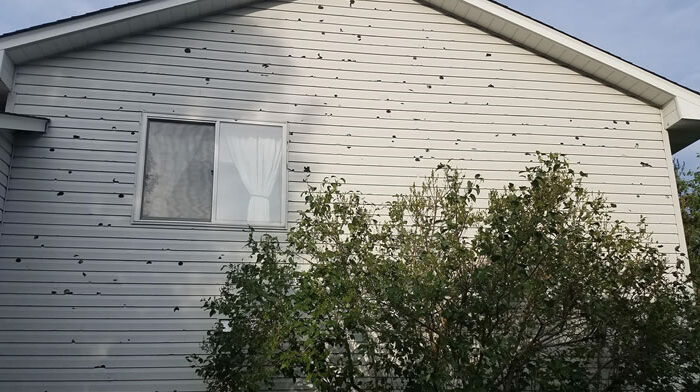
The damage hail can inflict on buildings and property — particularly roof systems — has been a long-standing concern for both property owners and the insurance industry. Industry sources estimate that hail-related property damage in the United States approaches nearly one billion dollars annually, with losses appearing to increase over time. As a result, claims involving hail-strike damage are among the most common situations requiring forensic assessment.

Many hail-related claims arise from the perceived relationship between a recent hailstorm and deficiencies discovered in a building envelope. While hail can and does damage roofing materials, not all observed conditions are the result of hail impact. Accurate evaluation requires a clear understanding of what constitutes functional hail damage and the conditions under which it occurs.

A roof covering is considered functionally damaged by hail when its ability to shed water is reduced or when its expected service life is shortened as a direct result of impact. Cosmetic markings alone do not necessarily indicate functional damage. For functional impairment to occur, certain conditions must be present, and these conditions must be properly identified and analyzed through education, training, experience, and systematic site inspection methodology.

The most critical factor in determining functional hail damage is the size of the hailstone. Functional damage typically does not occur until hail reaches a threshold size specific to the type of roofing material. If hail lacks sufficient size, it does not possess the mass and kinetic energy necessary to damage the roofing system at the moment of impact. Threshold sizes vary depending on whether the roof covering consists of asphalt shingles, wood shakes, tile, or metal panels.

Hail size can vary significantly even within short distances during the same storm event. Because of this variability, hail size is best conservatively estimated through on-site evaluation. Damage to common, readily visible metal surfaces — such as roof vents, flashing, gutters, soft metals, and mechanical equipment — can provide valuable indicators of hailstone size and impact severity.

In addition to hail size, impact conditions play a key role in whether functional damage occurs. The perpendicularity of impact between the falling hailstone and the roof surface influences the transfer of energy. Factors such as roof slope, storm directionality, and wind-driven hail can alter impact angles and damage potential.

The condition of the roofing material at the time of impact is also an important consideration. Aging, weathering, prior mechanical damage, manufacturing defects, or improper installation can reduce a roof covering’s resistance to impact. Roofing materials with reduced impact resistance are more susceptible to damage at smaller hail sizes than new or properly installed systems.

Forensic hail assessments focus on evaluating all contributing factors rather than relying solely on storm occurrence. Proper analysis distinguishes between hail-related functional damage and conditions resulting from wear, installation issues, or other environmental exposures. This approach ensures accurate determination of cause, supports fair claim resolution, and reduces disputes related to hail damage attribution.

mold cause and origin

Mold Cause and Origin (C&O): Identifying Moisture Sources That Drive Mold Amplification

Mold Cause and Origin (C&O): Identifying Moisture Sources That Drive Mold Amplification

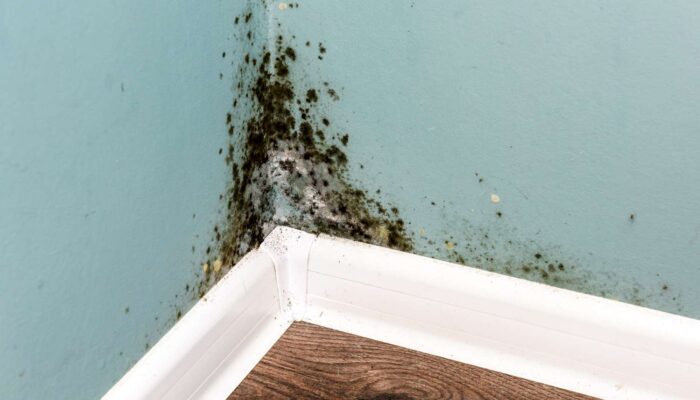
Molds, mushrooms, mildews, and yeasts are all classified as fungi — a kingdom of organisms distinct from plants and animals. Mold and bacteria are essentially ubiquitous, meaning they are present nearly everywhere in both indoor and outdoor environments. Mold growth occurs geometrically rather than arithmetically, which is why the term amplification is used to describe the rapid expansion of mold colonies once conditions become favorable and visible growth develops on building surfaces.

The presence of water or elevated moisture levels is the primary driver of mold amplification. While mold requires several elements to grow — including suitable temperatures, a food source, mold spores, and areas with limited airflow and light — these conditions are commonly present in most indoor environments. Moisture, therefore, becomes the critical factor that determines whether mold remains dormant or begins to proliferate.

Elevated moisture levels within buildings are typically associated with one or more of three common conditions. The first is water intrusion from rain, surface water, or groundwater entering through the building envelope. The second involves elevated indoor humidity levels that cause condensation to form on building surfaces due to temperature differences between interior and exterior air. The third source is construction-related moisture, which may be present within building materials themselves or introduced when materials are exposed to weather conditions prior to completion of construction.

When moisture sources are reduced or eliminated, mold amplification is significantly slowed or stopped altogether. However, identifying the true source of moisture is not always straightforward. Moisture intrusion may be concealed within walls, ceilings, or flooring systems, or it may be intermittent in nature, making it difficult to observe through visual inspection alone.

Mold cause and origin investigations focus on determining not only where mold growth is present, but why it developed in the first place. A key tool in identifying moisture sources that contribute to mold amplification is the evaluation of indoor air quality (IAQ). Measuring IAQ parameters provides valuable insight into the environmental conditions that support mold growth.

The most common and useful IAQ parameters include indoor temperature, carbon monoxide (CO), carbon dioxide (CO₂), relative humidity, and dew point temperature. Elevated humidity levels and dew point conditions that approach or exceed surface temperatures can indicate a high likelihood of condensation and moisture accumulation. These measurements help correlate environmental conditions with observed mold growth patterns.

Accurate determination of mold cause and origin is essential for effective remediation. Without addressing the underlying moisture source, mold remediation efforts are often temporary, leading to recurring growth and ongoing indoor environmental concerns. A thorough C&O investigation ensures that corrective measures target the true cause rather than just the visible symptoms.

Mold issues are not solely biological problems — they are moisture management problems. Identifying how moisture enters, accumulates, and persists within a building is the foundation of any successful mold-related assessment, remediation strategy, or claim resolution.

thermal imaging inspections

Thermal Imaging: Non-Destructive Detection of Moisture and Building Envelope Deficiencies

Thermal Imaging: Non-Destructive Detection of Moisture and Building Envelope Deficiencies

Thermal imaging is a diagnostic technology that uses infrared radiation to detect temperature differences in building materials without the need for visible light or destructive testing. Because all objects emit infrared radiation — with emission levels increasing as temperature rises — thermal imaging allows subtle variations in surface temperature to be visually identified and analyzed.

Using this technology, cooler areas can be distinguished against warmer backgrounds, and warmer areas can stand out against cooler surroundings. These thermal patterns often reveal conditions that are otherwise hidden from view, making thermal imaging a powerful tool in building diagnostics, forensic investigations, and condition assessments.

Through the use of forward-looking infrared (FLIR) cameras, EES can detect small temperature differentials within building assemblies. These differences may indicate the presence of moisture, air leakage, missing or compromised insulation, or other anomalies within the building envelope. Because water retains and releases heat differently than surrounding materials, areas affected by moisture often appear as distinct thermal signatures when viewed with infrared imaging.

Thermal imaging is especially effective for identifying water infiltration locations. Moisture trapped within walls, ceilings, or roofing assemblies can often be detected long before visible staining, material deterioration, or mold growth occurs. This allows for early intervention and targeted repairs, reducing the scope of damage and associated costs.

In addition to moisture detection, thermal imaging is widely used to evaluate air leakage and insulation performance. Variations in temperature across walls, roofs, and ceilings can indicate gaps in insulation, thermal bridging, or unintended air pathways. These conditions can significantly impact energy efficiency, occupant comfort, and long-term durability of building systems.

One of the key advantages of thermal imaging inspections is that they can be performed without damaging finishes or building components. Unlike invasive testing methods, infrared inspections provide immediate results while preserving the integrity of the structure. This makes thermal imaging an ideal tool for occupied buildings, insurance investigations, and time-sensitive assessments.

Thermal imaging does not replace traditional inspections, but it greatly enhances them. When combined with visual observations, moisture measurements, and building knowledge, infrared data helps pinpoint problem areas with greater accuracy. This improves decision-making, supports forensic analysis, and reduces unnecessary exploratory demolition.

Thermal imaging inspections provide valuable insight into the performance of building envelopes and interior systems. By identifying hidden deficiencies early, property owners, insurers, and consultants can address issues proactively, improve building performance, and minimize long-term risk.

lightning damage to buildings

Lightning Damage to Buildings: Causes, Common Failures, and Forensic Evaluation

Lightning Damage to Buildings: Causes, Common Failures, and Forensic Evaluation

Property damage resulting from lightning strikes is estimated to total between four and five billion dollars annually. Due to the sudden and extreme nature of lightning events, claims involving lightning damage often require forensic engineering and detailed assessment to accurately determine the extent of damage to a structure and its individual components.

Lightning-related damage claims are most frequently encountered in the insurance industry, particularly involving mechanical and electrical systems. Based on field experience, the majority of reported lightning damage claims stem from failures of heating, ventilation, and air conditioning (HVAC) outdoor units and well pump motors. These systems are highly vulnerable because they are often exposed, grounded, and connected to electrical circuits that can transmit high-voltage surges.

In addition to HVAC units and well pumps, other commonly affected components include brick masonry chimneys, commercial and industrial motors, and sensitive electrical equipment. Lightning does not need to directly strike a component to cause damage. Nearby strikes can induce powerful voltage surges that travel through electrical lines, grounding systems, and metallic pathways within a building.

Electrical equipment damage from lightning is typically caused by extremely high voltages that occur in fractions of a second. These surges often happen quickly enough to bypass or overwhelm installed surge protection devices. As a result, internal electrical components may fail even when surge protection is present. In outdoor air conditioning units, damaged contactors and run capacitors are common indicators of lightning-related failure. Blackened, pitted, or melted electrical components are often consistent with high-energy electrical events.

Lightning strikes can also cause significant damage to building materials, particularly brick masonry. When lightning energy passes through brick chimneys or masonry walls, the moisture trapped within the brick can rapidly vaporize. This sudden expansion creates internal pressure that can fracture or shatter the masonry, producing damage that appears explosive in nature.

Determining whether damage is attributable to lightning requires careful forensic evaluation. Inspectors analyze damage patterns, component failure modes, burn marks, and the presence of electrical arcing. Weather data, lightning strike records, and site conditions are also reviewed to correlate reported losses with documented lightning activity in the area.

Accurate identification of lightning-related damage is critical for proper claim resolution. Without a detailed assessment, lightning damage may be misattributed to wear and tear, mechanical failure, or manufacturing defects. Forensic engineering helps establish causation, define the scope of damage, and support fair outcomes for all parties involved.

Lightning events are unpredictable and unavoidable, but their effects on buildings and equipment can be better understood through professional evaluation. Proper documentation and expert analysis ensure that damage is accurately identified and addressed, helping reduce disputes and unnecessary replacement costs.

water cause and origin

Water Cause and Origin (C&O): Understanding How and Where Water Damage Begins

Water Cause and Origin (C&O): Understanding How and Where Water Damage Begins

Water damage is often expensive to repair and difficult to detect in its early stages. When water infiltration is allowed to persist — whether knowingly or unnoticed — excessive moisture can accumulate within building assemblies. Over time, this moisture can lead to mold growth, material deterioration, and compromised structural integrity, ultimately resulting in partial or complete building failure. For this reason, determining the cause and origin of water intrusion is a critical step in mitigating damage and preventing recurrence.

The exterior building envelope plays a primary role in controlling water intrusion. This envelope includes roof systems, exterior walls, and all associated components that separate the interior environment from the elements. Proper water control and management detailing within these systems is essential to prevent water from entering, becoming trapped, or accumulating within concealed spaces.

Effective water management begins with proper design, construction, and ongoing maintenance of building envelope assemblies. This process requires careful consideration of how water interacts with building materials and components, as well as a coordinated plan to ensure long-term durability of framing systems. When water management details are overlooked or improperly executed, even well-constructed buildings become vulnerable to hidden damage.

Field experience shows that, in most cases, water infiltration does not occur through intact roofing materials unless they are severely damaged or significantly degraded. Instead, water entry is most commonly associated with interfaces and transition points. These include wall-to-roof intersections, penetrations, roof edges, and changes in material systems. At these locations, the proper integration of roofing materials with underlayments, flashings, and — in some cases — sealants is critical. When correctly installed, these components work together to divert water into designated drainage pathways and safely away from the building.

Exterior wall systems present similar challenges. Walls must be designed, constructed, and maintained to prevent unwanted water intrusion and prolonged moisture exposure. Key to this performance is the correct integration of exterior cladding systems with weather-resistive barriers, flashings, and sealants. These elements are intended to collect and redirect water downward and outward, preventing it from reaching wall framing where it can cause serious deterioration.

Water intrusion through exterior walls differs from roof-related leaks due to the vertical orientation of wall assemblies and the effects of gravity. Roof leaks typically become visible relatively quickly, as infiltrating water travels downward and presents itself as staining or discoloration on interior ceilings. Wall leaks, however, often go undetected for extended periods. As water enters a wall assembly, gravity pulls it toward the bottom of the wall cavity, where it may never appear on interior finished surfaces.

Because wall-related water intrusion can remain hidden, damage is often extensive by the time it is discovered. Based on experience, deficiencies in wall water management frequently require significant repairs. These repairs may involve shoring, removal of damaged materials, and replacement of compromised framing members to restore structural integrity.

Water cause and origin investigations focus on identifying not only where water damage is observed, but how and where the intrusion initially occurred. Accurate determination of cause and origin is essential for effective remediation, prevention of future damage, and proper resolution of insurance or liability claims. Understanding water behavior within building envelopes allows corrective measures to be targeted, reducing unnecessary repairs and long-term risk.

equipment failures

Equipment Failures: Causes, Consequences, and the Importance of Failure Analysis

Equipment Failures: Causes, Consequences, and the Importance of Failure Analysis

Unintended and unforeseen equipment failures can range from minor operational disruptions to serious incidents that pose risks to property, productivity, and human life. Equipment failure occurs when a component or system loses its intended functional performance, either partially or completely, resulting in operation outside of design expectations.

Equipment failures can arise from a variety of causes. Manufacturing defects may introduce hidden weaknesses that lead to premature failure. Improper design or construction can create stress concentrations, incompatible materials, or inadequate safety margins. Over time, age-related deterioration, environmental exposure, and normal wear can further degrade performance. In many cases, failures are also linked to insufficient maintenance or excessive or improper use beyond the equipment’s intended operating conditions.

When equipment fails, the consequences often extend far beyond the failed component itself. Physical damage to surrounding systems, production downtime, loss of revenue, and increased repair or replacement costs are common outcomes. In more severe cases, equipment failures can negatively impact health and safety, creating hazardous conditions for occupants or operators. These outcomes frequently trigger insurance claims, legal disputes, or warranty investigations.

At this stage, identifying responsibility becomes critical. Determining liability requires a clear understanding of what caused the failure and whether it resulted from design deficiencies, manufacturing errors, maintenance issues, misuse, or external influences. To support fair and defensible conclusions, the root cause of an equipment failure must be established within a reasonable degree of engineering certainty.

Effective equipment failure analysis goes beyond identifying what failed — it examines why it failed. In addition to determining the root cause, alternative contributing factors must be considered and ruled out. This comprehensive approach ensures that conclusions are accurate and not based on assumptions or incomplete information.

The failure analysis process typically begins with a detailed visual inspection of the equipment and the surrounding area where the failure occurred. This step allows site conditions, operating environment, and damage patterns to be evaluated. From there, further analytical procedures are conducted in a systematic manner. These may include dimensional measurements, material testing, diagnostic evaluations, and microscopic examination using specialized equipment such as high-powered microscopes.

Advanced diagnostic techniques may also be employed to analyze fracture surfaces, wear patterns, electrical components, or thermal damage. Each step in the analysis builds upon the previous findings, allowing investigators to reconstruct the sequence of events that led to the failure.

Equipment failures demand careful, methodical evaluation to ensure accurate conclusions. A thorough failure analysis provides clarity, supports informed decision-making, and helps resolve disputes related to responsibility and compensation. By understanding the causes and consequences of equipment failures, stakeholders can take steps to reduce future risks and improve system reliability.

piping and plumbing failures

Piping and Plumbing Failures: Causes, Risks, and Potential for Catastrophic Water Damage

Piping and Plumbing Failures: Causes, Risks, and Potential for Catastrophic Water Damage

One of the most damaging events that can occur within a building is the failure of an internal plumbing line. Unlike exterior water events, plumbing failures often happen without immediate detection, allowing significant volumes of water to discharge into concealed spaces and interior finishes. Even a single failed pipe can cause extensive damage in a short period of time.

The amount of water released during a plumbing failure can be substantial. A common domestic copper water tube with a diameter of 1/2 inch can discharge approximately 1 to 5 gallons per minute, depending on line pressure and flow conditions. A 3/4-inch diameter tube can release even more — ranging from 1 to 10 gallons per minute. Over the course of just one hour, this equates to approximately 60 to 300 gallons of water from a 1/2-inch line or 60 to 600 gallons from a 3/4-inch line.

When a plumbing failure occurs in elevated or concealed locations, such as within an attic, ceiling cavity, or plenum space above occupied areas, the resulting damage can be catastrophic. Water may spread across large portions of the building before becoming visible, saturating insulation, ceilings, walls, electrical systems, and structural components. By the time the issue is discovered, the extent of damage is often widespread.

Seasonal temperature conditions play a significant role in piping failures, particularly during cooler winter months. Failures in water distribution and collection systems are commonly caused by exposure to sub-freezing temperatures. When water inside pipes freezes, it expands, increasing internal pressure to the point where cracks or splits form in the tubing. Once temperatures rise and the ice thaws, these cracks lead to sudden and often severe water release. Conductive metal pipes are especially vulnerable and must be adequately insulated to reduce freeze-related risks.

Faulty workmanship and installation errors are another leading cause of plumbing line failures. Improper installation techniques can compromise the integrity of the piping system from the outset. Joint connections are particularly critical, as they are common points of failure if not executed correctly.

Typical domestic water supply systems utilize copper tubing or polyvinyl chloride (PVC) piping. Copper systems rely on properly soldered joints, which require skill, experience, and adherence to correct procedures. Inadequate soldering can result in weak joints that fail prematurely under normal operating pressures. Similarly, failures in PVC systems often occur at coupling connections. These failures may stem from incorrect or inferior plastic materials, poor coupling nut design, manufacturing defects, improper installation practices, or a combination of these factors.

Piping and plumbing failures rarely result from a single issue. In many cases, multiple contributing factors — such as material selection, environmental exposure, and workmanship — combine to lower the system’s tolerance and lead to failure. Understanding these risks highlights the importance of proper design, qualified installation, insulation, and routine inspection.

Early detection and proactive maintenance are essential to reducing the severity of plumbing-related water damage. Addressing vulnerabilities before failure occurs helps protect building systems, limit repair costs, and minimize disruption to occupants.

insurance appraisal umpire

The Role of an Umpire in the Insurance Appraisal Process

The Role of an Umpire in the Insurance Appraisal Process

The insurance appraisal process is designed to resolve disputes over the amount of loss between an insured party and an insurer. In most cases, this process works efficiently without the need for third-party intervention. Industry experience shows that approximately 90 percent of appraisal cases are resolved through agreement between the two appointed appraisers.

When an agreement cannot be reached during the on-site meeting or review process, the appraisal proceeds to the next and final step — the involvement of an umpire. The purpose of the umpire is to provide an impartial evaluation of the disputed loss and bring resolution when the appraisers are unable to agree.

An appraisal umpire must be a neutral and competent individual with relevant experience in property damage assessment, construction, or insurance-related matters. The umpire is selected by mutual agreement between the insured and the insurer. This requirement ensures fairness and reinforces confidence in the appraisal outcome.

In rare situations where the parties cannot agree on an umpire, the matter is referred to the court system. In these cases, a judge will appoint an umpire who meets the necessary qualifications and impartiality standards. While court involvement is uncommon, it provides a structured resolution path when negotiations reach an impasse.

Once an umpire is appointed, they review all documentation and findings submitted by both appraisers. This includes inspection reports, scope assessments, photographs, measurements, and any supporting analysis related to the loss. The umpire also relies on their professional expertise and background to evaluate the information objectively.

The umpire’s role is not to re-inspect the property in every case, but to weigh the evidence and determine a fair and reasonable amount of loss. After completing this evaluation, the umpire renders a decision. For the appraisal award to become binding, two of the three parties — either both appraisers or one appraiser and the umpire — must agree on the final amount.

The involvement of an umpire represents the final stage of the appraisal process. Once an award is finalized through the required agreement, the decision is considered final and enforceable. This structure allows appraisal disputes to be resolved efficiently without prolonged litigation, saving time and reducing costs for all parties involved.

Understanding the role of an umpire helps insured parties and insurers navigate appraisal disputes with greater clarity and confidence. When used appropriately, the appraisal process — including the umpire stage — provides a fair and effective mechanism for resolving disagreements over loss valuation.