
Heat and Humidity: How Summer Conditions Damage Building Materials
Buildings are designed to withstand a range of environmental conditions, but the combination of elevated heat and high humidity that defines summer in much of the United States places unique stresses on building materials. These stresses are cumulative — each summer season adds to the degradation of materials that began with the building’s first year of service. Understanding how heat and humidity building damage progresses helps property owners anticipate maintenance needs, recognize early warning signs of failure, and make informed decisions about repairs and replacement.
Wood: Expansion, Moisture Absorption, and Decay
Wood is hygroscopic — it absorbs and releases moisture in response to the relative humidity of surrounding air, a phenomenon well-documented by ASHRAE in its building envelope guidelines. In summer, elevated humidity causes wood to expand as moisture content rises. This seasonal movement is normal in small magnitudes, but in structural applications, repeated cycles of swelling and shrinkage cause cumulative mechanical stress. Joints open and close, fasteners loosen, and painted surfaces crack as underlying wood moves beneath coatings that cannot accommodate the deformation.
In persistently high humidity, wood can reach equilibrium moisture content levels that support fungal decay. Wood-destroying fungi require moisture content above approximately 19% by weight to initiate growth. In crawl spaces, attics, and other poorly ventilated areas, summer humidity routinely drives wood into this range. The damage is often invisible until structural members are physically tested or until surface staining and softening become apparent.
Masonry: Efflorescence, Spalling, and Joint Deterioration
Brick, concrete block, and mortar are all porous materials that absorb water. In summer, water absorbed during rain events is drawn back toward exterior surfaces by solar heat and evaporation — carrying dissolved salts with it. When water evaporates at the surface, these salts crystallize as white deposits called efflorescence. While efflorescence itself is primarily cosmetic, its presence indicates active moisture movement through masonry and often signals deteriorating mortar joints that allow water infiltration.
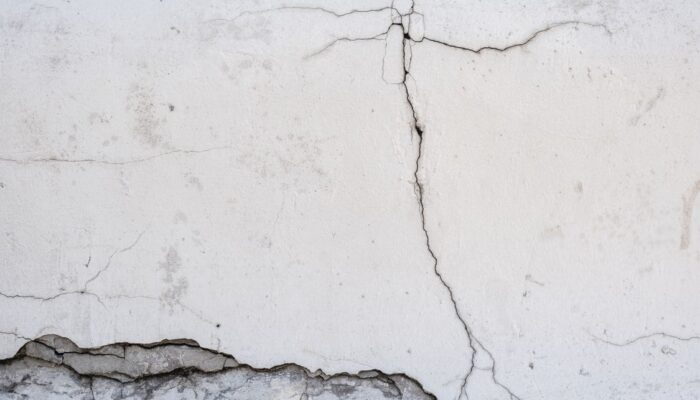
Thermal expansion of masonry materials during summer heat can also stress mortar joints beyond their capacity, accelerating deterioration. Control joints that are inadequate or improperly placed allow cracking to occur at random locations rather than at designed break points. Once cracks form, water infiltration during summer storms accelerates both the mechanical damage and the potential for interior moisture intrusion.
Roofing Membranes and Shingles
Low-slope roofing membranes and asphalt shingles are both significantly affected by summer heat. Rooftop surface temperatures can reach 150°F to 170°F on dark-surfaced low-slope roofs in direct sunlight. At these temperatures, asphalt-based materials soften and flow, fastener pullout resistance decreases, and seams in membrane roofing systems are subject to thermal stress. Repeated thermal cycling over successive seasons is a primary driver of roofing system fatigue and premature failure.
High humidity compounds this damage. Moisture trapped beneath roofing membranes — from condensation, vapor drive, or prior water intrusion — expands dramatically when heated, creating blistering and delamination of membrane layers. Once delamination occurs, the affected area loses its waterproofing integrity and becomes a point of active water infiltration during subsequent rain events.
Metal Components: Corrosion and Thermal Movement
Metal building components — flashings, fasteners, coping caps, curtainwall framing, and structural connectors — are susceptible to accelerated corrosion in the heat and humidity of summer. Galvanic corrosion occurs where dissimilar metals are in contact in the presence of moisture. High humidity maintains the electrolytic conditions that drive this process continuously during summer months. Zinc coatings on galvanized steel are consumed faster in hot, humid conditions than in cool, dry ones.
Thermal expansion of metal components is also more extreme in summer. Aluminum curtainwall systems, metal roof panels, and long runs of metal flashing all expand significantly on hot days. If these movements are not accommodated by properly designed expansion joints, they generate mechanical stress at attachment points — eventually cracking sealants, pulling fasteners, and compromising the weathertight integrity of the assembly.
Recognizing and Documenting Summer Damage
Many forms of summer heat and humidity damage progress slowly and do not become apparent until a triggering event — typically a significant rain storm — causes sudden, visible water intrusion. By this point, the underlying material degradation may have been building for years. Proactive inspection by a qualified forensic engineer or building envelope specialist can identify early-stage damage while remediation costs are still manageable.
EES Group provides condition assessments, cause-and-origin investigations, and expert analysis for property owners, insurers, and legal counsel dealing with summer heat and humidity damage. If you have observed signs of deterioration — efflorescence, paint failure, roofing blisters, or musty odors suggesting hidden moisture accumulation — a professional evaluation can establish the cause and scope of damage before conditions worsen.