
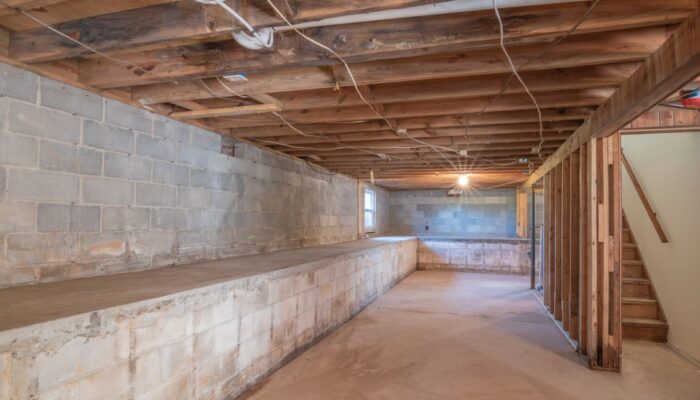
Crawl Space Moisture: Why Spring Is the Critical Season to Act
Of all the spaces in a building, the crawl space is among the most neglected — and among the most consequential. Tucked out of sight beneath floors, crawl space moisture accumulates silently during the spring months, creating conditions that threaten structural integrity, air quality, and occupant health. For property owners, spring is not just an opportunity to address crawl space moisture. It is often the last chance before summer heat and humidity transform a manageable problem into a major remediation event.
Why Crawl Spaces Are Especially Vulnerable in Spring
Several converging factors make spring the most dangerous season for crawl space moisture accumulation. Ground temperatures begin rising after winter, which accelerates evaporation of soil moisture into the crawl space air. At the same time, outdoor humidity climbs as spring storms move through. If the crawl space has traditional open foundation vents — a design approach that was standard for decades — warm, humid outside air flows freely into the space, where it contacts cooler structural surfaces and condenses.
This condensation cycle can occur daily throughout spring, depositing moisture on wooden floor joists, subfloor sheathing, insulation batts, and any organic debris present on the ground. Over six to eight weeks of repeated wetting, these surfaces can accumulate sufficient moisture to support mold colonization — even without any plumbing leak, flooding event, or roof water intrusion.
What Happens When Crawl Space Moisture Goes Unaddressed
The consequences of persistent crawl space moisture extend throughout the structure above. Because buildings operate under what is called the “stack effect” — air pressure differences that draw air upward from lower building levels — air from the crawl space migrates into living areas. Research conducted by the Advanced Energy Corporation found that up to 40% of the air in the first floor of a home may originate in the crawl space. Mold spores, volatile organic compounds from mold metabolism, and elevated humidity all travel upward with this air movement.
Beyond air quality, structural damage accumulates over time. Wood in contact with moisture above 19% moisture content by weight is susceptible to wood-destroying fungal decay. Joists and beams that experience repeated seasonal wetting without drying can develop decay pockets within two to three seasons. Repair costs for structural wood replacement are substantially higher than the cost of crawl space encapsulation or dehumidification.
Modern Crawl Space Moisture Control Strategies
The building science community has largely moved away from vented crawl spaces in favor of sealed, conditioned crawl spaces. This approach involves closing all foundation vents, installing a continuous heavy-gauge polyethylene vapor barrier across the entire ground surface and up the foundation walls, air-sealing penetrations, and either conditioning the space with supply air from the HVAC system or installing a dedicated crawl space dehumidifier.
When properly installed, a sealed crawl space maintains humidity levels consistent with conditioned living space — typically below 60% relative humidity year-round. This eliminates the condensation cycle that drives spring moisture accumulation. Studies show that sealed crawl spaces also improve energy efficiency, as floor assemblies are no longer exposed to outdoor temperature extremes.
Inspection Before the Season Peaks
Property owners and facility managers should schedule crawl space inspections in early spring, before outdoor humidity reaches seasonal highs. A qualified inspector should document existing moisture content readings on wood framing members, assess the condition of any existing vapor barrier, check for standing water or soil saturation, and identify any signs of current or prior mold growth.
EES Group’s engineers and industrial hygienists regularly perform crawl space moisture assessments and cause-and-origin investigations for insurance, litigation, and property management purposes. If your property has a crawl space that has not been professionally evaluated recently, spring is the right time to act — before conditions that are currently manageable become structurally significant.