
Moisture Surveys: Identifying Hidden Water Issues Before They Cause Major Damage
Moisture surveys are a critical diagnostic tool for identifying hidden water intrusion in residential, commercial, and industrial buildings. While moisture problems are not always visible to the naked eye, they can quietly cause extensive damage over time. Conducting a professional moisture survey allows property owners to uncover issues early, protect structural integrity, and avoid expensive repairs.
A moisture survey is a systematic inspection designed to locate, measure, and document excess moisture within a building. Using specialized equipment such as moisture meters, infrared cameras, and hygrometers, inspectors can detect water trapped behind walls, beneath flooring, within roofing systems, or inside insulation. These tools reveal problems that traditional visual inspections often miss.
One of the most common reasons moisture surveys are conducted is to identify active or ongoing water intrusion. Roof leaks, plumbing failures, poor drainage, and building envelope breaches can allow moisture to enter a structure without obvious signs. Over time, trapped moisture can deteriorate wood framing, corrode metal components, weaken concrete, and compromise insulation performance.
Moisture surveys are also essential for preventing mold growth. Mold thrives in damp environments and can begin forming within 24 to 48 hours of moisture exposure. By pinpointing moisture sources early, surveys help stop conditions that allow mold to spread, protecting indoor air quality and occupant health.
In addition to water damage prevention, moisture surveys play a valuable role in real estate transactions and insurance claims. Buyers and investors rely on moisture surveys to assess hidden risks before purchasing a property, while insurance carriers often require documented moisture readings to validate water-related claims. Accurate survey reports provide clear evidence of damage origin, extent, and severity.
Certain environments are especially prone to moisture-related issues. Buildings in high-humidity regions, coastal areas, or locations with heavy rainfall face increased risk of condensation, wind-driven rain intrusion, and groundwater seepage. Older structures and properties with flat roofs, aging plumbing, or poor ventilation are also more susceptible.
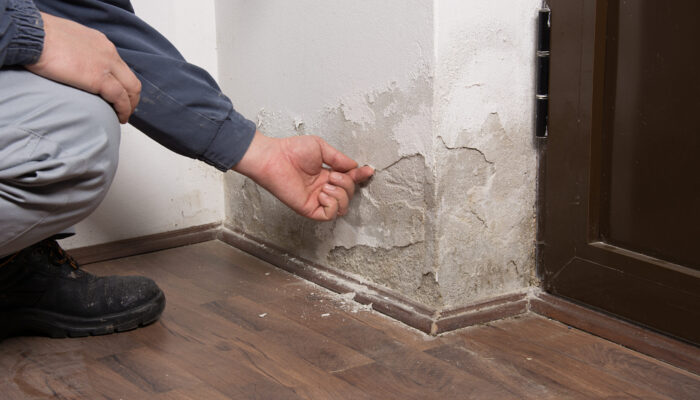
Early warning signs that may warrant a moisture survey include musty odors, staining on ceilings or walls, bubbling paint, warped flooring, unexplained increases in humidity, or recurring mold issues. However, moisture problems often exist long before these symptoms appear, which is why proactive surveys are recommended even when visible damage is minimal.
Addressing moisture issues promptly can significantly reduce long-term repair costs. Left unchecked, excess moisture can lead to structural deterioration, electrical hazards, reduced energy efficiency, and costly remediation projects. Moisture surveys provide actionable data that guides targeted repairs rather than guesswork.
Moisture surveys are not just reactive tools — they are preventative measures. Regular inspections help property owners maintain building performance, protect asset value, and ensure a safer indoor environment. Identifying moisture early is always less disruptive and far more affordable than repairing widespread damage later.