
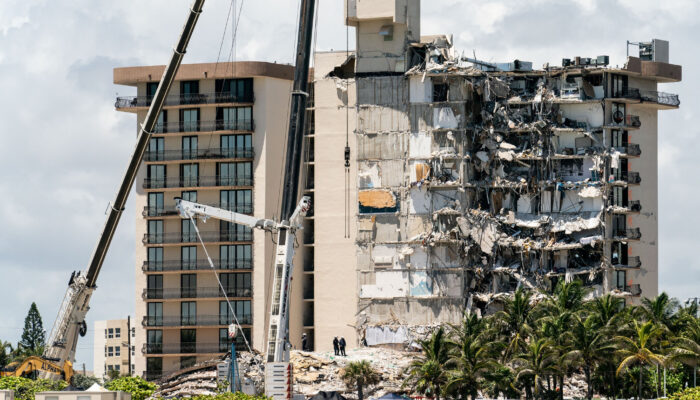
Structural Failures: Causes, Warning Signs, and Why Early Action Matters
Structural failures are among the most serious issues a property owner can face. Whether affecting residential homes, commercial buildings, or industrial structures, these failures compromise safety, reduce property value, and often lead to expensive repairs if not addressed early. Understanding what causes structural failures, how to recognize the warning signs, and why proactive action matters can make the difference between a manageable repair and a catastrophic loss.
At their core, structural failures occur when a building’s load-bearing components — foundations, beams, columns, walls, or roofs — can no longer safely support the forces acting upon them. These forces include the building’s own weight, occupants, furnishings, weather, soil movement, and environmental stressors. When any part of this system weakens or fails, the integrity of the entire structure can be at risk.
One of the most common causes of structural failures is foundation movement. Soil settlement, erosion, poor compaction, or expansive clay can cause foundations to shift, crack, or sink. Over time, this movement transfers stress to walls, floors, and roof systems, leading to visible damage and hidden structural strain. In coastal and high-moisture regions, water intrusion and poor drainage often accelerate these issues.
Material degradation is another major contributor. Wood rot from moisture exposure, corrosion of steel components, and concrete deterioration can silently weaken critical structural elements. Buildings exposed to humidity, salt air, or frequent temperature changes are especially vulnerable if materials are not properly protected or maintained.
Design flaws and construction errors also play a significant role in structural failures. Inadequate load calculations, improper installation, substandard materials, or shortcuts taken during construction may not show immediate consequences — but over time, these weaknesses surface. As buildings age, even minor original defects can evolve into serious structural problems.
Recognizing early warning signs is crucial. Cracks in walls or ceilings — especially those that are wide, diagonal, or growing — often indicate movement or stress. Uneven or sloping floors, sticking doors and windows, bowing walls, and sagging roofs are additional red flags. In some cases, unusual noises such as popping or creaking can signal shifting structural components.
Ignoring these symptoms can lead to rapid escalation. What begins as a small crack or minor misalignment can progress into major structural failure, requiring extensive reconstruction or rendering a building unsafe for occupancy. Early inspections and professional evaluations allow issues to be identified while repair options are still cost-effective.
Addressing structural failures promptly protects more than just the building — it safeguards occupants, preserves property value, and reduces long-term liability. Whether through foundation stabilization, structural reinforcement, drainage improvements, or material replacement, timely repairs help restore integrity and prevent further damage.
Structural failures rarely happen overnight. They develop over time, often giving clear signals before reaching a critical point. Property owners who stay proactive, monitor changes, and act quickly when issues arise are far more likely to avoid severe damage and costly downtime.