Author: admin

roof covering inspections

Roof Coverings: Why Proper Installation and Quality Assurance Are Critical

Roof Coverings: Why Proper Installation and Quality Assurance Are Critical

One of the most important components of a building envelope is the roof covering. The roof covering serves as the primary barrier between a structure and the elements, protecting interior building components from moisture, wind, and environmental exposure. In addition to protection, roof coverings contribute to energy efficiency by working in conjunction with insulation systems to regulate interior temperatures and reduce energy costs.

Because of the critical role roof coverings play, professional oversight during installation and throughout the roof’s service life is essential. EES provides comprehensive roof consulting services for both residential and commercial buildings, supported by staff holding advanced industry credentials, including Registered Roof Observer (RRO), Registered Roof Consultant (RRC), and Professional Engineer licensure. These qualifications allow for detailed evaluations, quality assurance inspections, and forensic analysis of roof systems.

Field experience consistently shows that improper installation is one of the leading causes of premature roof failure. Installation errors can result from inadequate design specifications, incomplete construction details, or installers taking shortcuts during the application process. Even minor deviations from industry standards can significantly reduce a roof system’s performance and longevity.

When installation deficiencies occur, the resulting failures can be severe. Water intrusion, membrane separation, fastener failure, and insulation damage often lead to costly repairs or full roof replacement. In many cases, these failures result in losses totaling hundreds of thousands of dollars for property owners or insurance carriers — losses that are largely preventable.

Quality assurance inspections performed during the early phases of roof installation are one of the most effective ways to mitigate these risks. These inspections verify that materials, attachment methods, and workmanship comply with design documents, manufacturer requirements, and industry best practices. Identifying issues early allows corrections to be made before they are concealed within the roof assembly.

In addition to construction-phase inspections, ongoing roof evaluations play a key role in asset preservation. When included as part of an annual maintenance program, roof covering inspections can identify developing issues such as material deterioration, moisture intrusion, or drainage deficiencies. Addressing these conditions promptly helps extend the service life of the roof and reduces the likelihood of unexpected failures.

Roof coverings are long-term investments that protect both structures and occupants. Proper installation, combined with routine quality assurance and maintenance inspections, ensures that roof systems perform as intended, maximize energy efficiency, and deliver the expected service life.

wind damage to roof systems

Wind Damage to Roof Systems: How Excessive Winds Compromise Structural Integrity

Wind Damage to Roof Systems: How Excessive Winds Compromise Structural Integrity

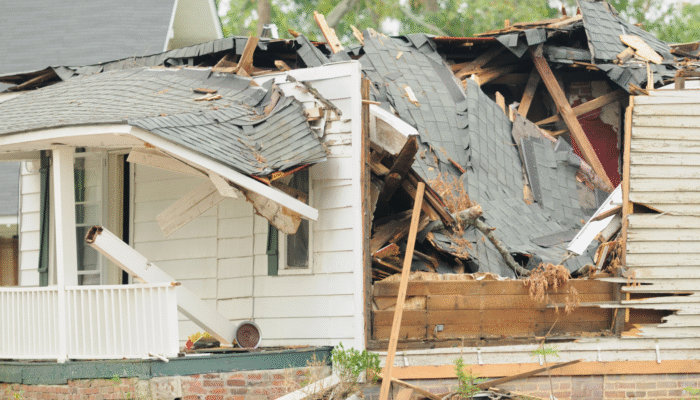
Excessive winds have the potential to cause significant damage to roof systems and exterior building finishes. When high winds pass over and around a pitched roof, they create uplift pressures that can exceed the resistance capacity of roofing components. Once this threshold is surpassed, roofing materials become vulnerable to displacement, detachment, and progressive wind-related damage.

Wind uplift occurs as air pressure differences develop between the exterior surface of the roof and the interior or underside of the roofing assembly. As wind accelerates over the roof surface, negative pressure is created, effectively pulling upward on roofing components. If materials are not properly secured or have weakened over time, these uplift forces can lead to partial or complete roof failure.

The most severe uplift pressures are typically concentrated at specific roof locations. Windward corners, rakes, eaves, and ridges experience the highest levels of turbulence due to abrupt changes in airflow. These areas are consistently the first points where wind damage initiates, especially during high-wind events such as thunderstorms, tropical storms, or hurricanes.

Roofing materials that are aged, weathered, deteriorated, or improperly attached are especially susceptible to wind damage. Over time, exposure to ultraviolet radiation, moisture, temperature fluctuations, and normal wear reduces material strength and fastener performance. When combined with high wind forces, these weakened components are far more likely to fail.

Wind damage is also highly dependent on the type of roof system in place. Asphalt shingles, wood shakes or shingles, clay or concrete tile, and metal panel systems each respond differently to wind forces. Attachment methods, fastener spacing, underlayment design, and edge detailing all influence how well a roof performs under wind loading. As a result, damage patterns and failure mechanisms vary significantly between roof types.

Building codes at both the national and state levels require structures to withstand forces generated by minimum design wind speeds based on geographic location. These standards are intended to prevent roof and structural damage during expected wind events. However, field experience shows that when wind-related failures occur, the root cause is often inadequate construction or improper installation rather than wind speeds exceeding design limits.

Roof systems that are not installed in accordance with industry standards and accepted wind-resistance practices have a reduced threshold for failure. Improper nailing patterns, insufficient fasteners, poor edge securement, and noncompliant materials can all compromise wind performance. In such cases, damage may occur at wind speeds well below those required by building codes.

Understanding how wind interacts with roof systems highlights the importance of proper design, quality installation, and regular inspections. Addressing vulnerabilities before a major wind event occurs can significantly reduce the risk of damage, extend the life of the roof, and protect the overall integrity of the structure.

moisture surveys

Moisture Surveys: Identifying Hidden Water Issues Before They Cause Major Damage

Moisture Surveys: Identifying Hidden Water Issues Before They Cause Major Damage

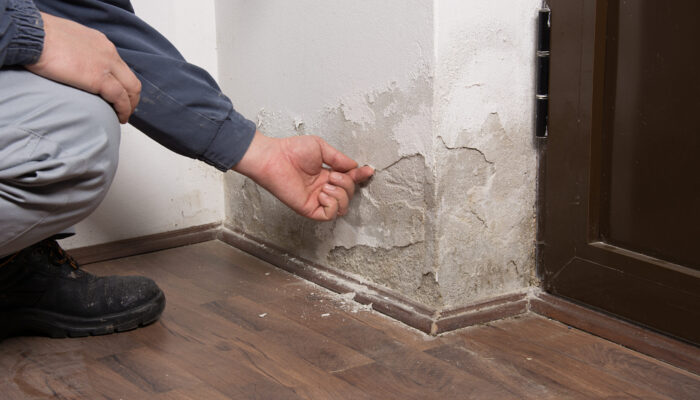
Moisture surveys are a critical diagnostic tool for identifying hidden water intrusion in residential, commercial, and industrial buildings. While moisture problems are not always visible to the naked eye, they can quietly cause extensive damage over time. Conducting a professional moisture survey allows property owners to uncover issues early, protect structural integrity, and avoid expensive repairs.

A moisture survey is a systematic inspection designed to locate, measure, and document excess moisture within a building. Using specialized equipment such as moisture meters, infrared cameras, and hygrometers, inspectors can detect water trapped behind walls, beneath flooring, within roofing systems, or inside insulation. These tools reveal problems that traditional visual inspections often miss.

One of the most common reasons moisture surveys are conducted is to identify active or ongoing water intrusion. Roof leaks, plumbing failures, poor drainage, and building envelope breaches can allow moisture to enter a structure without obvious signs. Over time, trapped moisture can deteriorate wood framing, corrode metal components, weaken concrete, and compromise insulation performance.

Moisture surveys are also essential for preventing mold growth. Mold thrives in damp environments and can begin forming within 24 to 48 hours of moisture exposure. By pinpointing moisture sources early, surveys help stop conditions that allow mold to spread, protecting indoor air quality and occupant health.

In addition to water damage prevention, moisture surveys play a valuable role in real estate transactions and insurance claims. Buyers and investors rely on moisture surveys to assess hidden risks before purchasing a property, while insurance carriers often require documented moisture readings to validate water-related claims. Accurate survey reports provide clear evidence of damage origin, extent, and severity.

Certain environments are especially prone to moisture-related issues. Buildings in high-humidity regions, coastal areas, or locations with heavy rainfall face increased risk of condensation, wind-driven rain intrusion, and groundwater seepage. Older structures and properties with flat roofs, aging plumbing, or poor ventilation are also more susceptible.

Early warning signs that may warrant a moisture survey include musty odors, staining on ceilings or walls, bubbling paint, warped flooring, unexplained increases in humidity, or recurring mold issues. However, moisture problems often exist long before these symptoms appear, which is why proactive surveys are recommended even when visible damage is minimal.

Addressing moisture issues promptly can significantly reduce long-term repair costs. Left unchecked, excess moisture can lead to structural deterioration, electrical hazards, reduced energy efficiency, and costly remediation projects. Moisture surveys provide actionable data that guides targeted repairs rather than guesswork.

Moisture surveys are not just reactive tools — they are preventative measures. Regular inspections help property owners maintain building performance, protect asset value, and ensure a safer indoor environment. Identifying moisture early is always less disruptive and far more affordable than repairing widespread damage later.

structural failures

Structural Failures: Causes, Warning Signs, and Why Early Action Matters

Structural Failures: Causes, Warning Signs, and Why Early Action Matters

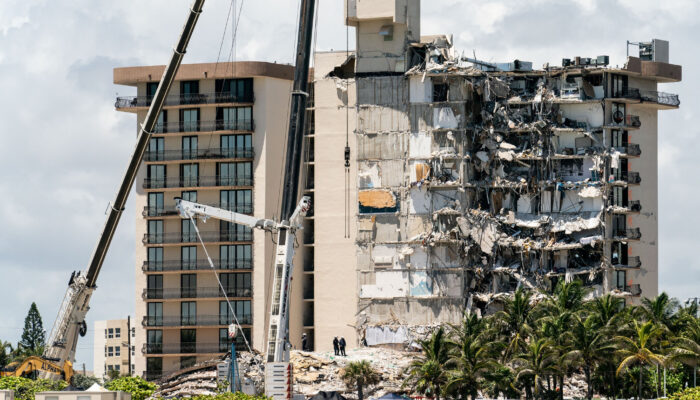
Structural failures are among the most serious issues a property owner can face. Whether affecting residential homes, commercial buildings, or industrial structures, these failures compromise safety, reduce property value, and often lead to expensive repairs if not addressed early. Understanding what causes structural failures, how to recognize the warning signs, and why proactive action matters can make the difference between a manageable repair and a catastrophic loss.

At their core, structural failures occur when a building’s load-bearing components — foundations, beams, columns, walls, or roofs — can no longer safely support the forces acting upon them. These forces include the building’s own weight, occupants, furnishings, weather, soil movement, and environmental stressors. When any part of this system weakens or fails, the integrity of the entire structure can be at risk.

One of the most common causes of structural failures is foundation movement. Soil settlement, erosion, poor compaction, or expansive clay can cause foundations to shift, crack, or sink. Over time, this movement transfers stress to walls, floors, and roof systems, leading to visible damage and hidden structural strain. In coastal and high-moisture regions, water intrusion and poor drainage often accelerate these issues.

Material degradation is another major contributor. Wood rot from moisture exposure, corrosion of steel components, and concrete deterioration can silently weaken critical structural elements. Buildings exposed to humidity, salt air, or frequent temperature changes are especially vulnerable if materials are not properly protected or maintained.

Design flaws and construction errors also play a significant role in structural failures. Inadequate load calculations, improper installation, substandard materials, or shortcuts taken during construction may not show immediate consequences — but over time, these weaknesses surface. As buildings age, even minor original defects can evolve into serious structural problems.

Recognizing early warning signs is crucial. Cracks in walls or ceilings — especially those that are wide, diagonal, or growing — often indicate movement or stress. Uneven or sloping floors, sticking doors and windows, bowing walls, and sagging roofs are additional red flags. In some cases, unusual noises such as popping or creaking can signal shifting structural components.

Ignoring these symptoms can lead to rapid escalation. What begins as a small crack or minor misalignment can progress into major structural failure, requiring extensive reconstruction or rendering a building unsafe for occupancy. Early inspections and professional evaluations allow issues to be identified while repair options are still cost-effective.

Addressing structural failures promptly protects more than just the building — it safeguards occupants, preserves property value, and reduces long-term liability. Whether through foundation stabilization, structural reinforcement, drainage improvements, or material replacement, timely repairs help restore integrity and prevent further damage.

Structural failures rarely happen overnight. They develop over time, often giving clear signals before reaching a critical point. Property owners who stay proactive, monitor changes, and act quickly when issues arise are far more likely to avoid severe damage and costly downtime.

critical member analysis

What Is Critical Member Analysis and Why Does It Matter?

Critical Member Analysis is a vital part of structural engineering that focuses on evaluating the strength, integrity, and performance of essential structural elements within a building or system. These “critical members” are the components—such as beams, columns, trusses, or load-bearing walls—that are crucial to the overall stability and safety of a structure. Failure in any of these elements can compromise the entire system, making thorough analysis not just important, but necessary.

At EES Group, our Critical Member Analysis process is designed to identify potential weak points and ensure that key structural components meet both design standards and real-world demands. Whether you’re dealing with new construction, structural retrofits, or insurance evaluations after a natural disaster, our team uses advanced engineering tools, modeling software, and field data to assess the true condition of each member under various loading scenarios.

The goal of Critical Member Analysis is to prevent failure before it happens. This includes analyzing how a member performs under stress, impact, temperature changes, or aging. By modeling loads and forces, engineers can determine if a beam is under-designed, if corrosion has reduced the load capacity of a steel column, or if settlement is putting uneven strain on a foundational wall. These insights allow for proactive solutions—like reinforcement, material replacement, or design changes—before costly or dangerous problems arise.

This type of analysis is especially important in mission-critical environments such as hospitals, schools, government buildings, or aging infrastructure where failure is not an option. Property managers, architects, and developers rely on Critical Member Analysis to make informed decisions during renovations, inspections, or project planning. It’s also a key requirement for meeting local code compliance and insurance assessments.

At EES Group, our engineering team brings decades of expertise to every project. We take pride in delivering reliable, data-driven insights through Critical Member Analysis that help safeguard your investment and ensure long-term structural performance. Whether you’re managing a high-rise, commercial plaza, or municipal facility, our solutions are engineered to support the critical members holding your project together.

autocad drawing

The Benefits of AutoCAD Drawing in Modern Engineering and Design

AutoCAD is one of the most widely used computer-aided design (CAD) software platforms in the world—and for good reason. Developed by Autodesk, AutoCAD allows engineers, architects, and designers to create precise 2D and 3D drawings used in construction, manufacturing, and infrastructure development. Its ability to streamline complex design processes makes it a critical tool in industries where accuracy, efficiency, and detail are essential.

One of the biggest benefits of AutoCAD is increased accuracy and precision. Manual drafting is prone to errors and inconsistencies, but AutoCAD’s grid systems, snap tools, and dimensioning features ensure that every line, arc, and angle is exact. This precision is vital when developing mechanical components, structural layouts, electrical schematics, or HVAC plans—where even the smallest mistake can lead to costly rework or safety issues.

Another major advantage of AutoCAD is time efficiency. Features like reusable block libraries, layer controls, and automated updates across multiple sheets help speed up revisions and reduce duplication of effort. This means projects can be completed faster without sacrificing quality. Whether it’s for a new building, electrical system, or retrofit design, AutoCAD streamlines the drafting process from concept to completion.

AutoCAD also enhances collaboration and communication across teams. DWG files can be easily shared, edited, and reviewed by engineers, project managers, and contractors, allowing for real-time collaboration and fewer miscommunications. Plus, its compatibility with BIM (Building Information Modeling) software and cloud platforms makes it easier to integrate designs into broader project workflows.

In summary, using AutoCAD for technical drawings brings measurable benefits—greater accuracy, faster delivery, improved collaboration, and reduced project risk. Whether you’re developing blueprints for a high-rise, electrical layouts for a commercial facility, or custom parts for manufacturing, AutoCAD remains a cornerstone tool for delivering professional, compliant, and reliable results in today’s fast-paced design environments.

professional engineer (pe)

What Is a Professional Engineer (PE)?

A Professional Engineer (PE) is a licensed engineer who has met rigorous standards in education, experience, and examination to legally offer engineering services to the public. The PE license is granted by state licensing boards and is recognized as the highest standard of competence in the engineering profession. To earn this title, candidates must first complete an accredited engineering degree, pass the Fundamentals of Engineering (FE) exam, gain relevant work experience under a licensed PE, and then pass the Principles and Practice of Engineering (PE) exam.

Professional Engineers play a critical role in ensuring the safety, reliability, and effectiveness of infrastructure and systems across a wide range of industries, including civil, mechanical, electrical, and environmental engineering. Their work can involve designing bridges, supervising construction projects, overseeing power systems, or improving HVAC performance in commercial buildings. A PE’s stamp signifies that a design or plan meets code, is structurally sound, and is safe for public use.

One of the key distinctions of being a PE is the legal authority to sign and seal engineering documents, which is often required for government permits and public projects. This added responsibility means PEs must adhere to a strict code of ethics and are held to high accountability standards. Their approval carries significant weight in areas like public safety, regulatory compliance, and project feasibility.

Hiring a PE gives businesses and developers a competitive edge. Whether it’s planning a new building, improving energy efficiency, or troubleshooting complex systems, a PE brings certified expertise that helps avoid costly errors and ensures regulatory approval. In high-stakes environments such as construction, utilities, or manufacturing, their input is essential for project success.

In summary, a Professional Engineer is more than just a technical expert—they are licensed professionals trusted to make critical decisions that impact safety, compliance, and sustainability. Working with a PE guarantees your engineering project is in the hands of someone qualified, accountable, and committed to the highest professional standards.

certified safety professional (CSP)

What Is a Certified Safety Professional (CSP)?

A Certified Safety Professional (CSP) is a credentialed expert in the field of occupational health and safety, recognized for their advanced knowledge in identifying, evaluating, and controlling workplace hazards. This certification is awarded by the Board of Certified Safety Professionals (BCSP) and is considered the gold standard for safety professionals across industries. To become a CSP, individuals must meet education and experience requirements and pass a comprehensive examination covering safety management systems, risk assessment, emergency planning, and more.

CSPs are instrumental in reducing workplace injuries, illnesses, and incidents by implementing effective safety programs and fostering a culture of safety within organizations. Their work spans across industries like construction, manufacturing, logistics, energy, and government operations—anywhere health and safety risks can impact workers, equipment, or the environment. CSPs don’t just enforce safety rules—they use data and analysis to develop practical solutions that prevent future issues.

One of the key responsibilities of a CSP is ensuring compliance with federal and state safety regulations, including OSHA standards. They conduct inspections, write safety plans, lead training programs, investigate incidents, and help develop risk mitigation strategies. Their insights are essential during audits, policy reviews, and legal proceedings, making them valuable assets in both proactive and reactive safety management.

Hiring a CSP signals a company’s commitment to worker well-being and operational integrity. Beyond compliance, CSPs help reduce insurance costs, minimize downtime, and improve employee morale by creating safer, more efficient work environments. They often lead safety committees, assist with safety certifications, and contribute to continuous improvement initiatives throughout the organization.

In short, a Certified Safety Professional is not just a title—it’s a trusted role in protecting lives and maintaining business continuity. Whether you’re a growing company or an established operation, partnering with a CSP ensures that your workplace safety efforts are guided by proven expertise, helping you stay ahead of potential risks and regulatory challenges.

certified industrial hygienist

What Is a Certified Industrial Hygienist (CIH)?

A Certified Industrial Hygienist (CIH) is a professional who specializes in identifying and controlling environmental hazards in the workplace that could affect employee health and safety. These hazards may include chemical exposure, air quality issues, noise, radiation, biological agents, and ergonomic stressors. CIHs are certified by the American Board of Industrial Hygiene (ABIH) after meeting rigorous education, experience, and examination requirements, making them one of the most trusted resources for occupational health and safety consulting.

CIHs play a vital role in creating safer work environments across a wide range of industries including manufacturing, construction, energy, healthcare, and government. They evaluate potential risks using scientific methods such as air sampling, noise measurements, and chemical exposure assessments. From there, they recommend controls like ventilation improvements, personal protective equipment (PPE), engineering solutions, or changes to workplace procedures to minimize risk.

In addition to identifying hazards, CIHs are also responsible for ensuring compliance with OSHA, NIOSH, and other regulatory standards. Their expertise is often called upon during audits, accident investigations, or when companies want to proactively assess risk before expanding operations or launching new facilities. Their input can be critical for reducing liability, lowering insurance premiums, and maintaining worker productivity.

Hiring a CIH can benefit organizations both large and small. Whether it’s improving indoor air quality, conducting mold or asbestos inspections, or setting up a respiratory protection program, a CIH provides evidence-based strategies for healthier, more compliant workplaces. They also assist in training programs, policy development, and long-term health and safety planning.

Ultimately, a Certified Industrial Hygienist is more than just a safety consultant—they’re a vital part of your risk management strategy. By identifying unseen threats and implementing preventative measures, CIHs help protect your workforce, safeguard your operations, and ensure your company remains compliant and competitive in today’s highly regulated landscape.

Horowitz: How OSHA magically ‘evolved’ from years of its own research stating masks are not valid protection

OSHA repeatedly said masks do not protect.

Daniel Horowitz | March 12, 2021 (Click Here For Original Link)

“Asbestos particles are on average 5 microns, which are much larger than SARS-CoV-2, yet nobody in my field – industrial hygiene – would recommend that we could protect workers from asbestos exposure using a mask,” said Stephen Petty, a certified industrial hygienist and hazardous exposure expert, on my podcast last week. “In fact, I would argue that you’d lose your credentials for saying such a thing.”

The notion that cheap cloth and surgical masks are considered proper protection, much less bona fide PPE, for a virus that is 0.1 microns – 1/50th the size of average asbestos fiber – was always absurd. And the fact that this virus spread for two entire subsequent waves after masks became universal, with zero evidence they played any role in altering the natural course of the virus – is proof of this universal fact that OSHA (Occupational Safety and Health Administration) and other agencies that dealt with hazardous exposure always understood.

For respiratory protection, OSHA has the Respiratory Protection Standard — RPS (29 CFR 1910.134), which has strict prescriptive requirements for use of respirators. Masks are not part of the RPS because they cannot be fit-tested – and OSHA knows this. Only fitted respirators can help protect against particles anywhere near the size of viruses. A surgical mask is absolutely not considered PPE, and even if it were, it would work as well as a chain-link fence in front of swarming gnats.

Mask-wearing has become such a religious sacrament that people will place them on their toddlers for hours, they will exercise in them, and they will engage in all sorts of contradictory and absurd behavior that implicitly ascribes super-magical powers to cheap Chinese cloths. Yet few people remember what OSHA has said for years about the issue of masks and protection against viruses.

In order to remind a nation under an unfathomable psychosis of “toxic maskulinity,” here is your handy timeline of statements OSHA made about masks when the agency was actually trying to follow science and properly protect people, not engage in politics and virtue-signaling. As you read through it, you will understand why Ian Miller’s more than 100 mask charts demonstrate that masks have never worked anywhere against this virus.

May 2009: OSHA Fact Sheet: Respiratory Infection Control: Respirators Versus Surgical Masks

While explaining that surgical masks only work for splashes or large droplets, OSHA made it clear: “Surgical masks are not designed or certified to prevent the inhalation of small airborne contaminants.” OSHA goes on to say: “Their ability to filter small particles varies significantly based upon the type of material used to make the surgical mask, so they cannot be relied upon to protect workers against airborne infectious agents.”

December 16, 2009: Video: The Difference Between Respirators and Surgical Masks

In this video, the narrator says very emphatically, “A surgical mask is not a respirator, and that’s an important distinction for you and your employer to understand.” The video is targeted mainly at health care workers. “Face masks are not designed or certified to seal tightly against your face or to prevent the inhalation of small airborne contaminants.” The video also says: “Remember, face masks are not considered respirators and they do not provide respiratory protection.”

January 2011: Respiratory Protection for Health Care Workers Training Video

OSHA again reiterates that while face masks, including surgical and medical procedure masks, protect against splashes, they “are not designed or certified to seal tightly against your face or to prevent the inhalation of small airborne contaminants” (at 9:20). As the video shows arrows of contaminants getting around and through the mask, the narrator declares, “During inhalation, small airborne contaminants pass through gaps between the face and the face mask and the material of the mask.” The narrator emphasizes again, “Remember, face masks are not considered respirators and do not provide respiratory protection.”

May 2015: Hospital Respiratory Protection Program Toolkit

Per this 96-page resource for respirator program administrators, on the very first page, it states that it contains recommendations as well as descriptions of mandatory safety and health standards. These are intended to assist employers in providing a safe and healthful workplace. In this resource, OSHA indicates: “Facemasks are not considered respiratory protection.”

December 20, 2017: OSHA letter from worker requesting clarification of OSHA’s Respiratory Protection Standard

In response to a question by the writer as to whether surgical masks should be permitted on a voluntary basis when respiratory protection is not required, OSHA states: “Surgical masks do not seal tightly to the wearer’s face, nor do they provide a reliable level of protection from inhaling smaller airborne particles.”

April 2020: Ten Steps All Workplaces Can Take to Reduce Risk of Exposure to Coronavirus (a poster)

This was OSHA’s initial guidance to employers on how to deal with the virus in the workplace. The agency recommend disinfecting the room and limiting the number of people, which is in line with long-standing protocol, but did not mention a word about masking, presumably because the idea of a mask blocking a virus would be absurd.

However, at some unknown point, OSHA placed a disclaimer on the top of this poster stating the following: “Given the evolving nature of the pandemic, OSHA is in the process of reviewing and updating this document. These materials may no longer represent current OSHA recommendations and guidance. For the most up-to-date information, consult Protecting Workers Guidance.”

Clearly, those promulgating this material didn’t want to show their work and accentuate the point that they never believed masks worked, but still had to broadly notify people that the science is “evolving.”

January 29, 2021: Protecting Workers: Guidance on Mitigating and Preventing the Spread of COVID-19 in the Workplace

Now, roughly eight months after mask-wearing became a national religion, they suddenly change their tune with this “guidance,” which appears to be updated periodically. Under the section “What Workers Need to Know about COVID-19 Protections in the Workplace,” this document states:

  • Face coverings are simple barriers to help prevent your respiratory droplets or aerosols from reaching others. Not all face coverings are the same; the CDC recommends that face coverings be made of at least two layers of a tightly woven breathable fabric, such as cotton, and should not have exhalation valves or vents.
  • The main function of a face covering is to protect those around you, in case you are infected but not showing symptoms. Studies show that face coverings reduce the spray of droplets when worn over the nose and mouth.
  • Although not their primary value, studies also show that face coverings can reduce wearers’ risk of infection in certain circumstances, depending upon the face covering.
  • You should wear a face covering even if you do not feel sick. This is because people with COVID-19 who never develop symptoms (asymptomatic) and those who are not yet showing symptoms (pre-symptomatic) can still spread the virus to other people.

Notice carefully how they slipped in the word “or aerosols” in expressing the disproven assumption of mask efficacy, which stands in opposition to years of their own research, but then when they speak about the actual “studies” on efficacy, they only identify “spray of droplets” as the extent of effective protection from masks. Note also the “emotional persuasion” argument to falsely suggest you help others by wearing a mask, not yourself.

As anyone with a scintilla of logic recognizes, very few people, especially with everyone keeping so far away from each other, are spitting into each other’s mouths with visible droplets that would be large enough for masks to block. In no way could such a rare occurrence account for the rapid spread of tens of millions of cases long after people wore the masks as regularly as pant and shirts.

Recently, Biden’s former top epidemiologist, Michael Osterholm, joined a group of scientists criticizing the CDC for continuing to downplay aerosol transmission and not updating its indoor guidance based on this fact. But it was OSHA that said for years that masks absolutely do not work for aerosols.

As the FDA says on its website until this very day, masks do not work for airborne-transmitted viruses, only to “block large-particle droplets, splashes, sprays, or splatter,” which is not the primary transmission method of the virus. The FDA also says, “Surgical masks are not intended to be used more than once,” guidance rarely abided by as a result of the mask mandate.

Absurdly, on OSHA’s “evolving” web page on “Control and Prevention,” the agency plainly recommends that workers “wear cloth face coverings.” Buried deep down in the document, though, is a memorial to the pre-political scientific view: “Surgical masks are not respirators and do not provide the same level of protection to workers as properly-fitted respirators. Cloth face coverings are also not acceptable substitutes for respirators.”

So they openly admit cloth masks are worthless, and then toss out an unverifiable throwaway line that surgical masks “do not provide the same level of protection,” when they know all too well that they provide no level of protection for the small aerosols, which are what really gets into people’s lungs.

The fact that everyone universally understood this until last April, and the fact that every place that had an ironclad mask mandate in place for months with low cases, such as Los Angeles and the Czech Republic, yet still suffered from the most prolific spread in the world in later months, should make it clear that the long-standing guidance predating COVID politics is the authentic science.

Last June, after mask-wearing had already morphed into a budding religious cult, Cambridge and Greenwich Universities published a study predicting that universal mask-wearing would prevent a second wave. As Reuters explained their findings, “Even homemade masks can dramatically reduce transmission rates if enough people wear them in public.”

Well, it wasn’t just “enough” people who wore them, but it became universal with the sternness of nothing we’ve ever seen before in society. Yet there were two more waves of the virus subsequently that were greater than the first wave, especially in the areas with strict lockdowns and mask-wearing. But to this day, they will look us in the face and say we need masks to prevent the fourth wave, as if the world began yesterday.

It’s not merely a problem of collateral damage – in which government is forcing children to suffer long-term mental and physical health problems from prolonged mask-wearing in return for zero protection from the virus. It’s that they are offering people who are legitimately vulnerable to the virus a false sense of security that masking will protect them indoors when they know quite well that anyone advocating this for other hazards as small in size as this virus would lose their job over such a recommendation.

As Stephen Petty said on my podcast, the way his profession always deals with exposure risks is to employ engineering controls, which include destruction, dilution, or containment. For a fraction of the cost we’ve spent on destroying and then subsidizing the entire economy, we could have focused on filtration systems or self-cleaning systems that would actually have protected people. Just as on the pharmaceutical side, our government focused on expensive and ineffective treatments rather than cheap established drugs and supplements that could have fortified most people against the virus, it likewise focused on lockdowns and masks as an illusory means of exposure protection rather than actually killing the virus.

How much science are our government officials willing to distort, and how many lives are they willing to sacrifice for an article of faith that has already been disproven by two uncontrolled waves after universal mask-wearing became a fundamentalist religion? Exactly as long as we allow it to continue.